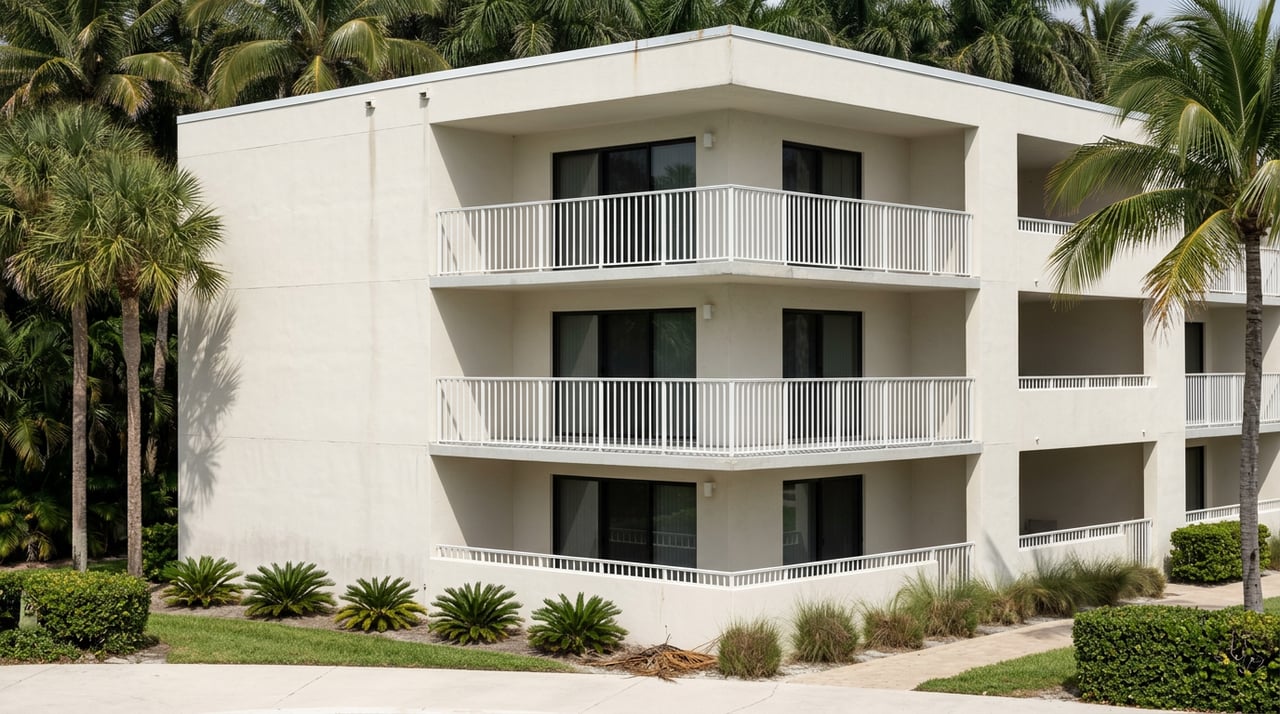
A Gulf view, updated interior, and strong presentation still matter. They create interest in a Panama City Beach condo. Yet they cannot resolve an association’s incomplete inspection, uncertain reserve plan, inadequate insurance, or unfinished repair program.
That changes the pricing conversation.
In 2026, a condo seller is effectively presenting two assets. The first is the individual unit. The second is the condominium project behind it. A buyer may qualify for a mortgage while the project fails to satisfy the lender’s standards. When that happens, the building can narrow the buyer pool before the unit-level appraisal settles the question of value.
For owners selling a Panama City Beach condo, milestone inspection and SIRS records should be part of pricing preparation, not paperwork collected after an offer arrives.
Financing review can reach the building before the appraisal reaches the unit
Fannie Mae identifies critical repairs, significant deferred maintenance, inadequate master insurance, significant pending litigation, and certain hotel-like operations among common condo project eligibility concerns. Those issues belong to the association or project, but they affect every unit that depends on conventional financing.
The review process is also changing this summer. For loan applications dated on or after August 3, 2026, Fannie Mae is retiring Limited Review for established condo projects. Projects that previously used that route will generally need a Full Review or an applicable waiver.
Freddie Mac is retiring Streamlined Review on the same date. Its guidance also calls for lenders to review structural and mechanical inspection reports completed within the prior three years. If a lender cannot obtain the required records or determine that the project is free from critical repair concerns, the loan may be ineligible for delivery.
This is why sellers should be careful with the word “warrantable.” Project status can change, and individual lenders may apply their own requirements. Current lender confirmation matters more than an old approval or a neighbor’s prior closing.
A second change is scheduled for January 4, 2027. Fannie Mae and Freddie Mac plan to increase the minimum replacement-reserve allocation used in applicable full project reviews from 10 percent to 15 percent of annual budgeted assessment income. Sellers entering the market in late 2026 may meet lenders already asking closer questions about budgets and reserve studies.
Panama City Beach has a local 25-year milestone rule
Generic Florida condo guidance often starts with a 30-year threshold. Panama City Beach requires a closer local reading.
Under the City of Panama City Beach milestone inspection program, condominium and cooperative buildings of three or more stories generally require an initial milestone inspection in the year they reach 25 years of age. The city cites local conditions, including proximity to salt water, as the reason for the accelerated schedule. A new inspection is generally required every 10 years after that.
The city sends certified notices to affected associations. A Florida-licensed architect or engineer must perform the inspection and provide a sealed report with a separate summary to the association and the city building official. The Phase One report is due within 180 days after the association receives notice.
That local timetable matters when pricing an older Front Beach Road condo. The right question is not simply whether the building is old enough to require an inspection. A seller needs to know where the association stands in the process and whether the available records document the full story.
Milestone inspection and SIRS do different jobs
These two records are often discussed together, but they answer separate questions.
| Record | What it addresses | What a seller needs to confirm |
|---|---|---|
| Milestone inspection | Structural condition and life safety | Whether Phase One is complete, whether Phase Two was required, and whether recommended repairs are complete |
| Structural Integrity Reserve Study | Future repair and replacement costs for covered association components | Whether the study is current and how its funding schedule appears in the budget |
| Current budget and financial records | How the association plans to collect and use money | Reserve contributions, assessments, association debt, and planned increases |
| Master insurance records | Project-level coverage | Current declarations, deductibles, and any coverage concerns identified during lender review |
A clean milestone report does not prove that an association has sufficient reserves. A completed SIRS does not prove that structural repairs are finished. Sellers need both the condition record and the funding record.
The Florida Department of Business and Professional Regulation describes a SIRS as a budget-planning tool. It identifies covered components maintained by the association, estimates useful life and repair or replacement costs, and recommends a funding schedule.
The principal SIRS deadline for qualifying, owner-controlled associations that existed on or before July 1, 2022 was December 31, 2025. An association with a milestone inspection due on or before December 31, 2026 may complete both at the same time, but the SIRS cannot be completed after December 31, 2026.
That exception should be verified for the specific building. “We have more time” is not a substitute for documentation showing that the extension applies.
“Inspection complete” does not always mean “repair program complete”
A Phase One milestone inspection is primarily a visual structural review. If the architect or engineer identifies substantial structural deterioration, Phase Two may include destructive or nondestructive testing.
The Panama City Beach ordinance establishes the next steps. A Phase Two progress report is generally due within 180 days after Phase One, and the final Phase Two report is generally due no later than 250 days after Phase One.
When repairs are required, the association generally must file a plan of action within 90 days. Work that does not require permits must begin, or the necessary permits must be obtained, within 150 days. After completion, the responsible architect or engineer must provide an amended report stating that the structure has been repaired and is safe for continued use.
This creates several distinct stages:
- The association received notice.
- Phase One was completed.
- Phase Two was required or was not required.
- A repair plan was prepared.
- The work was funded.
- The work was completed and documented.
A listing that says only “milestone complete” may leave the buyer and lender with unanswered questions. Clear records can reduce that uncertainty. Missing records can push buyers to seek a lower price, different terms, or another building.
The statutory document window can reopen the deal
Florida’s resale disclosure rules give the building file a direct role in the contract.
Under Florida Statute 718.503, a nondeveloper seller must provide the buyer, at the seller’s expense, current governing documents, the association’s annual financial statement and budget, the applicable milestone inspection summary, and the most recent SIRS or a statement that the study has not been completed. The contract must also include conspicuous language describing whether the applicable reports are complete, incomplete, or not required.
A resale buyer generally has seven days after contract execution and receipt of the applicable reports to cancel in writing. Saturdays, Sundays, and legal holidays are excluded from that period. A buyer may also request a closing extension of up to seven similarly calculated days after receiving the records.
Late delivery can therefore extend uncertainty after the seller believes the main negotiation is finished. This is general information, not legal advice. Sellers should rely on their title professional or attorney for guidance about a specific contract.
Public PCB reports show why the document itself matters
Local records demonstrate that “the building has a report” tells only part of the story.
A publicly posted SIRS engagement for Grand Panama Beach Resort Condominium Association at 11800 and 11807 Front Beach Road covered the roof, structure, fire protection, plumbing, electrical systems, waterproofing, exterior painting, qualifying windows and doors, and other major components. It also called for a 30-year cash-flow and funding analysis. That scope shows why a SIRS is more than a certificate placed in an association file.
At Sandcastles West II, 17214 Front Beach Road, an August 2024 Phase One report described the building as generally in good condition and referenced major reconstruction completed in 2022 and 2023. That historical report does not establish the association’s full status in 2026, but it illustrates how completed work and organized documentation can support a more confident pricing discussion.
A September 2022 report for Panama City Resort & Club at 16709 Front Beach Road discussed corrosion, water intrusion, concrete spalling, weatherproof coatings, walkways, ceilings, and balcony settlement. It included a Phase Two recommendation related to the balcony issue. Those findings should not be represented as current conditions. They show the level of detail a seller, buyer, lender, engineer, and association may need to connect inspection findings with repair completion.
A 2026 listing for Whispering Seas at 8610 Surf Drive states that the milestone inspection and SIRS were completed with no pending special assessments. That is listing-supplied information and still requires verification. It offers a useful example of how completed paperwork can become a property-marketing point when the records support the statement.
Build the association file before setting the price
A seller-ready file should be organized in three layers.
Structural records
- Current milestone summary and full report
- Phase Two report, if required
- Repair scope, permits, contracts, and completion records
- Amended engineering report after required work
- Current SIRS and funding schedule
Financial and insurance records
- Current approved budget and year-to-date financials
- Reserve balances and scheduled contributions
- Current and proposed special assessments
- Association loan or line-of-credit terms
- Master insurance declarations and deductibles
- Recent replacement-cost appraisal
- Board minutes from the previous 12 to 24 months
- Available information about litigation and assessment delinquencies
Transaction records
- Current condo questionnaire
- Declaration, bylaws, rules, and rental restrictions
- Estoppel and unit ledger
- Association contact information
- Current lender feedback about project eligibility
The agent’s role is to organize the transaction, identify missing items, and bring the right professionals into the conversation. Engineers interpret structural findings. Lenders determine loan eligibility. Insurance professionals review coverage. Attorneys and title professionals address legal and contract questions.
Price the documented position, not the finishes alone
Florida’s statewide condo-townhouse market offers useful context, though it should not be treated as Panama City Beach condo-only data. In May 2026, closed sales increased 6.6 percent year over year while the statewide median price declined 1 percent to $306,990. Active inventory fell 13.4 percent, but the category still carried 8.6 months of supply, according to Florida Realtors.
That mix suggests improving activity without removing buyer choice. In a market where buyers can compare several condos, association clarity can separate two units with similar views and finishes.
A seller with complete reports, documented repairs, a current funding plan, and clear insurance records can present evidence alongside the asking price. A seller facing unfinished work or a pending assessment can explain how it is being funded and addressed. A seller with missing records should identify those gaps before launch rather than discovering them during underwriting.
The unit creates the first impression. The building file helps determine which buyers can proceed, how they calculate future ownership costs, and how confidently they negotiate.
Put the paperwork in order before the listing goes live
Selling a Panama City Beach condo in 2026 calls for more than polished photography and an estimated value. It requires a building-specific review before pricing, marketing, and offer selection.
Think Real Estate combines local knowledge with centralized marketing and transaction support to help sellers ask better questions early. Our team can help you organize the association file, identify missing records, coordinate with the appropriate professionals, and position the unit with clear, supportable information.
Contact a Local Expert to prepare your Panama City Beach condo for the market.