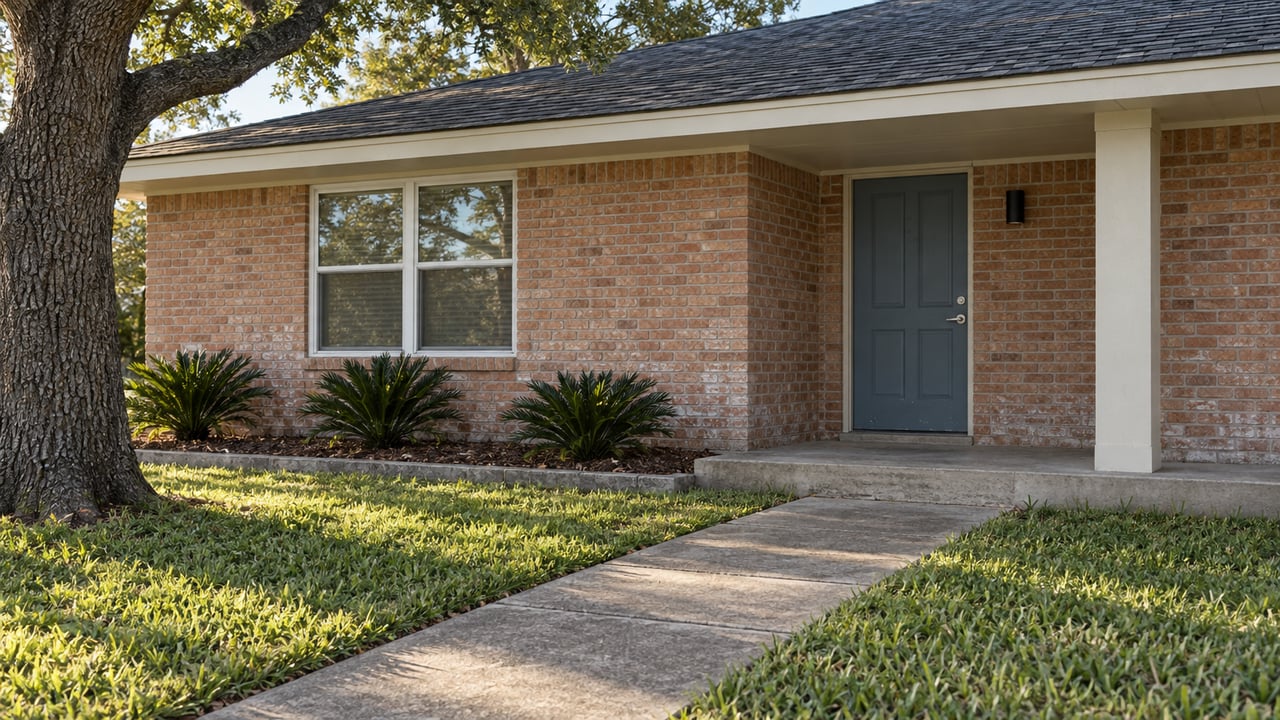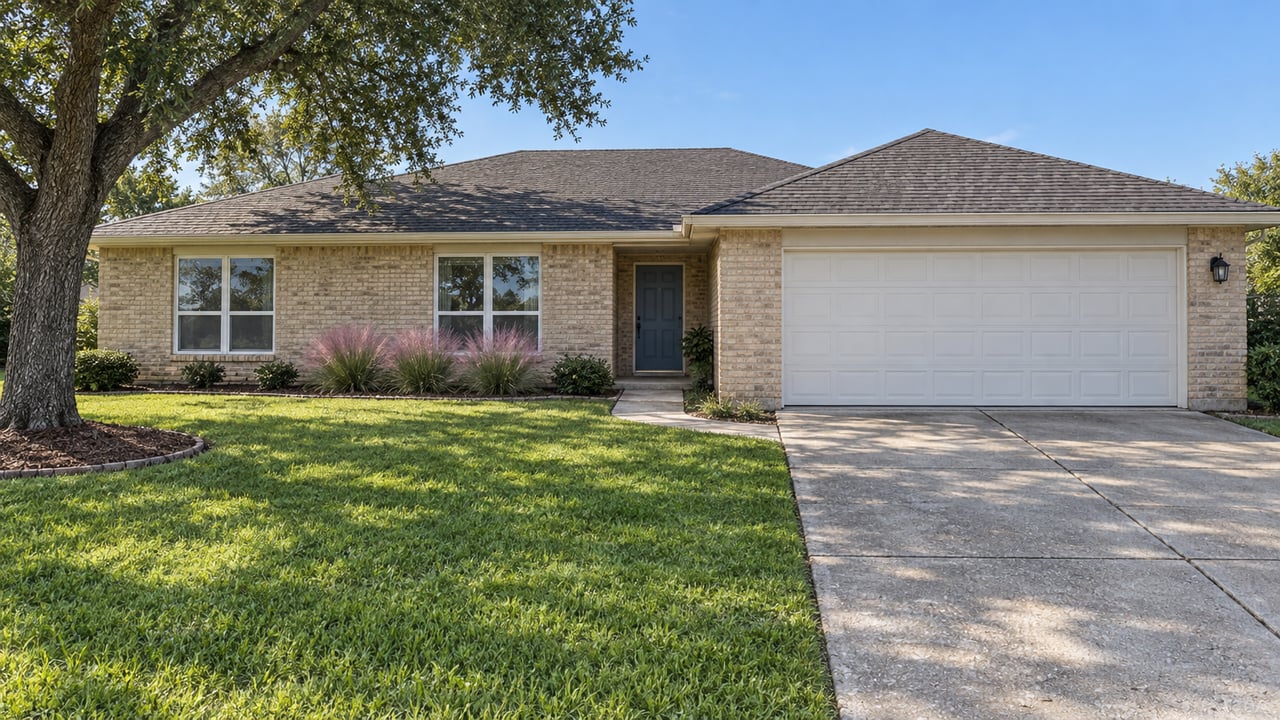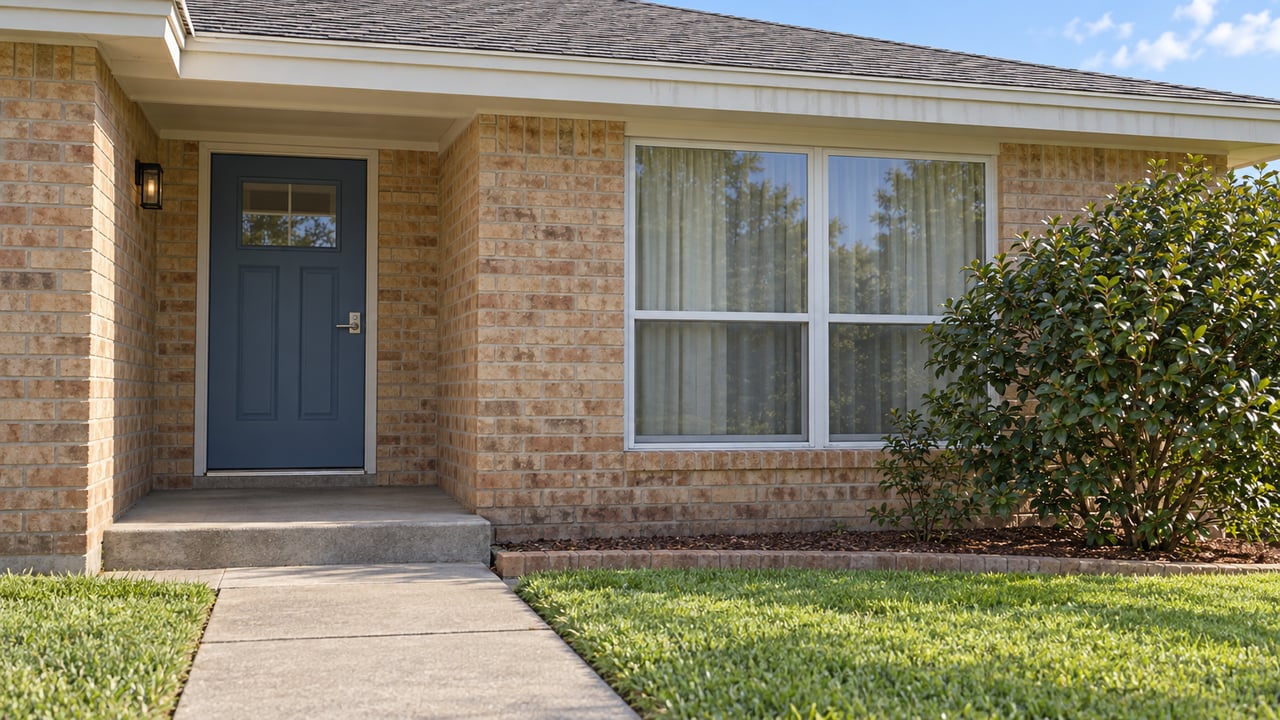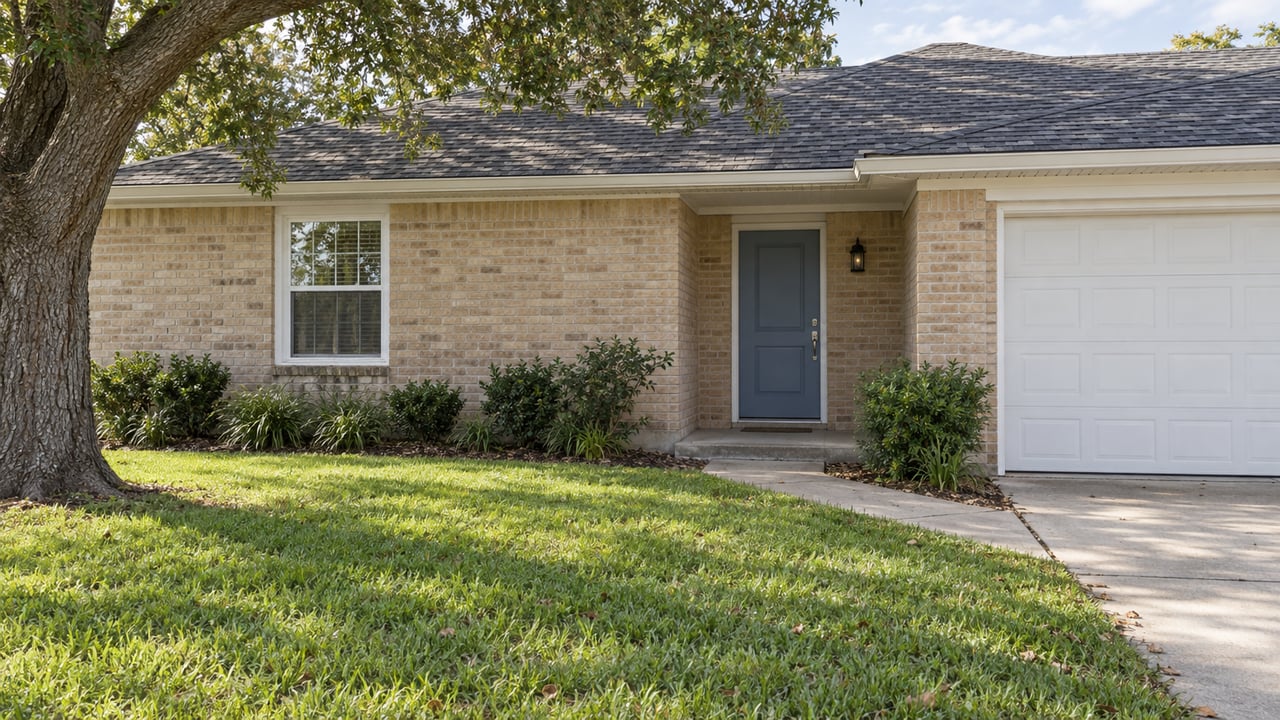
Two numbers about SweetBay came out of the same month and they disagree with each other. Redfin's May 2026 data puts the median sale price at $559,811, up 26.1 percent year over year. Movoto's May 2026 figure for the same neighborhood puts the median list price at $552,000, down roughly 4 percent from the prior month and down about 3 percent from a year earlier. Days on market sat at 162, unchanged from May 2025.
A neighborhood does not get more expensive and cheaper in the same thirty-day window. What is actually happening is that SweetBay stopped being one market sometime in the last two years, and the median price is the last place you would notice.
A Community Built in Districts, Not Just Phases
SweetBay was approved as one of Florida's larger infill developments, with room for up to 3,200 residential units and 700,000 square feet of commercial space on the former Bay County airport site along St. Andrew Bay. A project that size does not get financed or governed as a single entity. It gets carved into Community Development Districts, and SweetBay has several: Residential CDD 2 and Residential CDD 7, as well as SweetBay Commercial CDD 1 and SweetBay Commercial CDD 2, which are separate units of local government.
A CDD is not the same thing as an HOA, and mixing them up is where buyers get surprised. According to SweetBay Residential CDD 7's own explanation, a CDD assessment has two parts: an operating and maintenance charge that can move up or down each year depending on the adopted budget, and a capital assessment that repays the bonds sold to build the district's roads, water and sewer lines, and stormwater systems. That capital piece is generally fixed for the life of the bond, and in many cases the developer prepays a portion of it before the home ever closes.
That prepayment detail matters more than it sounds like it should. A home in an older section where the developer already retired a chunk of the bond carries a lighter annual capital assessment than a home in a section where that bond is still fresh. Same builder, same square footage, same "SweetBay" name on the listing. Different bill every November.
The HOA Layer Sits on Top, Not Instead
The CDD assessment funds infrastructure. The homeowners association fee funds amenities and enforces deed standards, and it is billed separately. Current listings across SweetBay show quarterly HOA dues ranging from around $770 to more than $1,760 depending on the section and builder. That is not a rounding difference. On an annual basis it is the gap between roughly $3,100 and $7,000, before the CDD assessment even enters the picture.
Here is a simple way to see how the pieces stack:
| Charge | What it funds | How it moves |
|---|---|---|
| CDD operating & maintenance | Annual upkeep of district infrastructure | Adjusted yearly by the CDD board's budget |
| CDD capital assessment | Repayment of bonds that built roads, utilities, drainage | Fixed for the bond term, sometimes partly prepaid by the developer |
| HOA dues | Amenities, common areas, deed restriction enforcement | Set by the association, varies by phase and builder |
A buyer comparing two SweetBay listings at the same list price is not comparing two identical carrying costs. They are comparing two different combinations of these three lines, and the portal listing rarely breaks them out.
Why the Price Split Is Showing Up Now
The rising sold-price figure and the falling list-price figure make more sense once you place them against the calendar. SweetBay's Town Center Phase 1 opened in 2025: a 48,387-square-foot Publix, a 2,100-square-foot Publix Liquors, and roughly 18,000 square feet of additional retail. Starbucks has since opened inside that same footprint, and tenants including Pana Roma Pizza & Pasta, Fleet Feet, and Qwik Pack & Ship have been arriving as later storefronts fill in. Phases 2 through 4 of the commercial center, covering retail, a hotel pad, and medical office space, are still being built out. The marina, planned with a two-acre basin and 56,000 square feet of dry storage, has not yet broken ground.
That timeline creates two different products under one neighborhood name. A resale in an established section, close to a finished grocery store and a working coffee shop, is selling into a market that can now see and use the amenity it was promised on a brochure years ago. That is the kind of home likely driving the higher resale figures Redfin is capturing. A new-construction home in a phase still waiting on its retail, its hotel pad, or its marina is a bet on a future that has not arrived yet, and builders are pricing that uncertainty into the deal. Harris Doyle Homes, which is actively selling in SweetBay's Cottages and Phase III sections, has been offering incentives up to $15,000 on select move-in-ready homes. Those incentives are one detail to compare when weighing new construction against a completed, amenity-adjacent resale.
None of this means one phase is the better buy. It means the median price cannot tell you which situation you are in, and the difference changes both what you pay today and what you are underwriting for the next several years.
The Pattern Is Not Unique to SweetBay Anymore
In May 2026, Panama City commissioners heard the first reading of an ordinance to establish a new Community Development District on a 1,200-acre parcel north of Old Majette Tower Road, projected to include about 1,800 homes. City Commissioner Brian Grainger described the arrangement in terms that echo how SweetBay itself was structured, saying the district lets residents of that community fund their own roads rather than spreading the cost to the rest of the city. The CDD is expected to finance around $120 million in infrastructure.
That is worth knowing if you are comparing SweetBay to other growth areas in Bay County. The layered assessment structure you are learning to read here is becoming the standard way large new communities in this market get built, not an exception specific to one neighborhood.
What to Ask Before You Write an Offer
A listing price does not disclose which CDD a lot sits in or where that district stands on its bond schedule. That information exists, but you have to ask for it directly.
- Confirm which specific CDD (by name and number) governs the lot, not just "SweetBay" generally.
- Request the current capital assessment amount and how many years remain on the bond term.
- Ask whether the developer prepaid any portion of the capital assessment, and how much remains assessed to the homeowner.
- Get the O&M budget history for that district over the last two to three years to see the trend, not just this year's number.
- Verify the HOA dues and reserve funding separately. It is a different organization with a different budget cycle.
Any of these can be requested through the closing process, and a seller or listing agent should be able to produce them without difficulty.
FAQ
Is a CDD assessment the same thing as an HOA fee? No. The CDD assessment funds public infrastructure like roads and utilities. The HOA fee is billed separately by the homeowners association and funds amenities and deed enforcement.
The median price on a portal search is a starting point, not an answer. In a community built the way SweetBay was, the real number lives in the CDD district assignment, the HOA schedule, and the phase timeline behind whatever price is listed. Working through those layers before you write an offer is exactly the kind of groundwork a local agent should be doing with you, not after you ask.
If you are comparing sections within SweetBay or SweetBay against another Bay County community, Think Real Estate can walk the district assessments and phase timing with you before you make an offer. Contact a Local Expert to get started.
This article is general information, not legal, tax or financial advice. Consult a qualified professional about your situation.