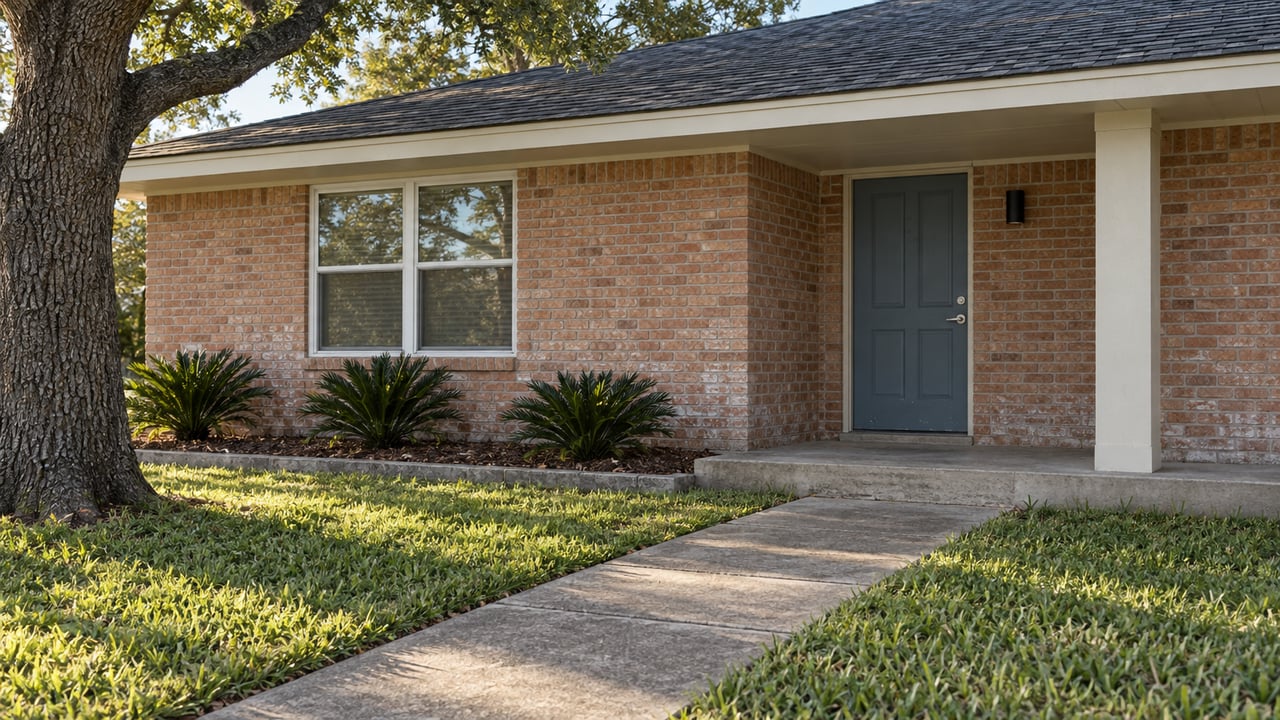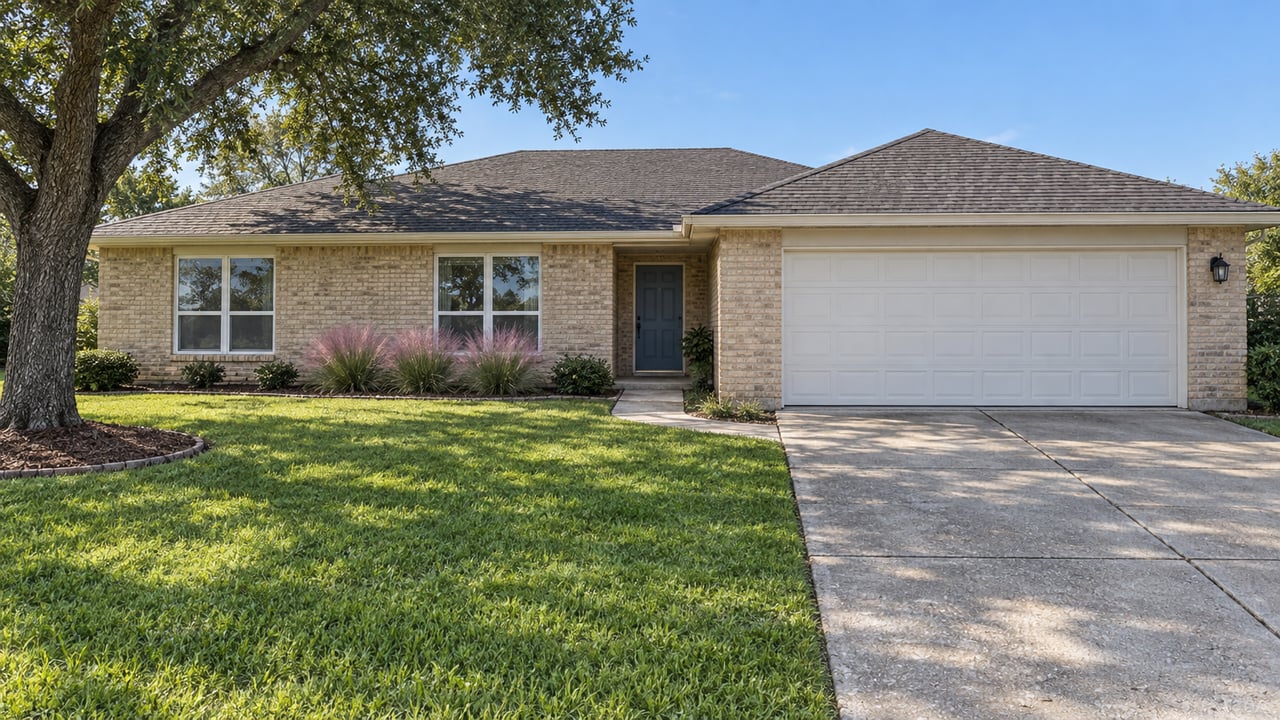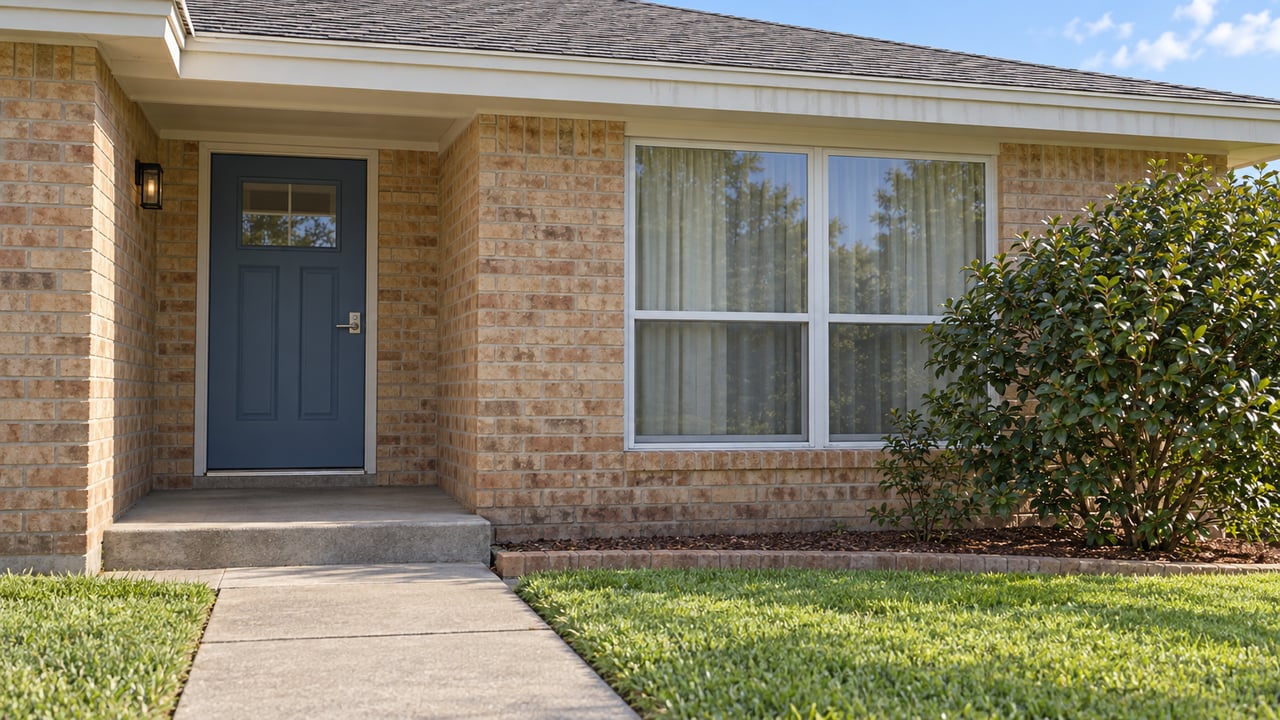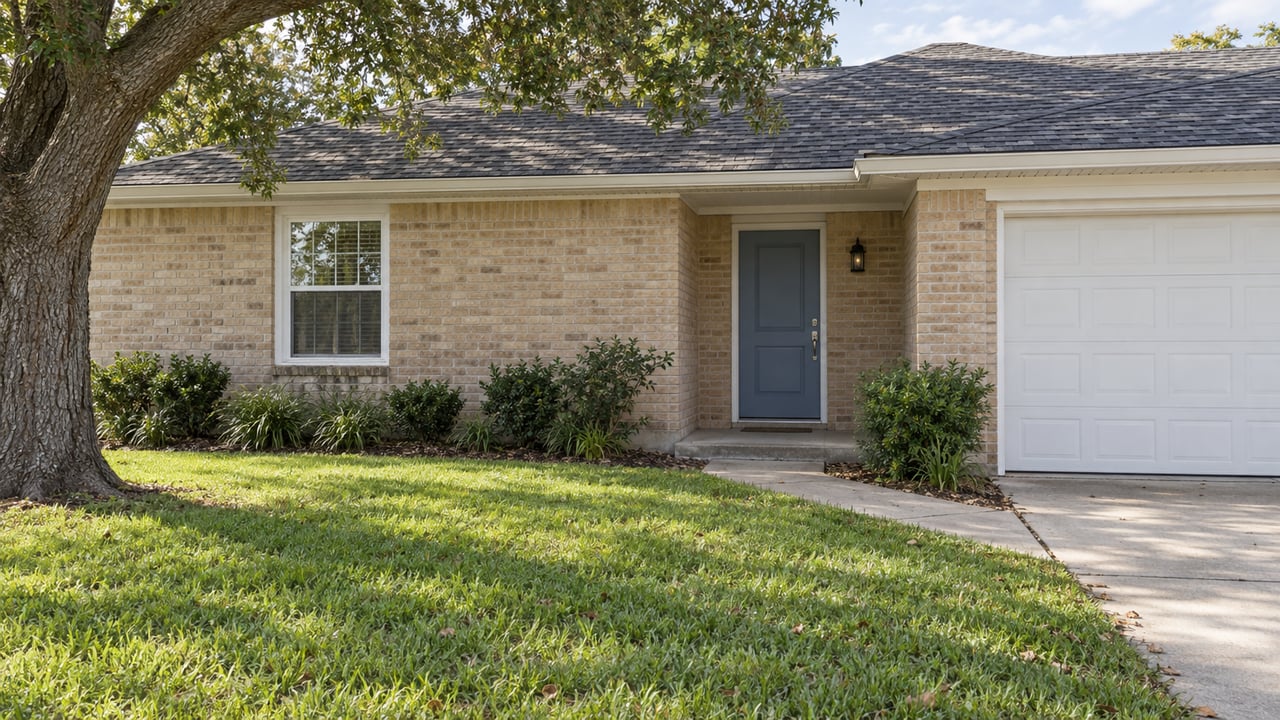
Historic St. Andrews is one of the few Panama City submarkets where the buyer's insurance quote arrives before the appraisal does. On a 1928 Craftsman near Beck Avenue or a 1962 block ranch off Frankford, the price a serious buyer will pay is not set by three comparable sales down the street. It is set by whether the property clears a Florida 4-point inspection and how many credits show up on the newly revised wind mitigation form. Sellers who understand that sequence keep the negotiation on the merits of their cottage. Sellers who don't spend the last two weeks of due diligence rebutting a repair credit request they could have removed before the sign went in the yard.
The mix in St. Andrews rewards this preparation more than almost anywhere else in Bay County. Homes.com reported a trailing twelve-month median sale price of $168,000 for the neighborhood, a figure that reflects the volume of small, older, condition-sensitive stock changing hands rather than a market collapse. Redfin's vintage-home slice tells the other half of the story: roughly thirty older listings at a $247,000 median with an average of 91 days on market, moving slightly faster than Panama City Beach's 106-day pace as of the three months ending May 2026. The buyer for a St. Andrews cottage in 2026 is disproportionately a renovator or investor, and that buyer prices on findings, not finishes.
What the Buyer's Insurance Agent Sees First
Florida carriers require a 4-point inspection on most homes 25 years or older before they will bind a new policy. That single document, covering roof, electrical, plumbing, and HVAC, controls whether the buyer can even close, let alone at what price. A wind mitigation inspection is optional but nearly universal in Bay County because the credits it unlocks are worth roughly 10 to 45 percent of the windstorm portion of the premium. Together the two inspections cost the buyer somewhere between $180 and $220, and they arrive in the buyer's inbox before the appraisal is scheduled.
Four findings inside those reports do most of the price-resetting work in St. Andrews. None of them are surprising to a local inspector. All of them are surprising to a seller who has owned the house for twenty years and never re-pulled a policy.
Finding One: The Electrical Panel
A pre-1970 cottage in St. Andrews commonly still carries the panel it was built with, or a mid-life replacement installed in the seventies or eighties. That means a real chance of a Federal Pacific Stab-Lok or Zinsco panel, aluminum branch wiring, or knob-and-tube in the attic runs above the original front porch. Any one of those is an automatic red flag on a Florida 4-point and can produce a flat "no" from the buyer's insurance carrier, regardless of price.
The seller's cost to fix ranges from $2,500 for a panel swap to $8,000 or more for a partial rewire. The negotiation cost of leaving it for the buyer to discover during due diligence is typically double that, because the buyer's contractor bids are always higher than the seller's would have been and because a repair credit is priced against a moving closing date.
Finding Two: The Roof, and Why April 1, 2026 Changed the Math
Florida's Office of Insurance Regulation updated the Uniform Mitigation Verification Inspection Form OIR-B1-1802 effective April 1, 2026, based on the 2024 Applied Research Associates Residential Wind-Loss Mitigation Study. Carriers began applying credits under the new form in July 2026. A wind mitigation report a seller commissioned in 2024 or 2025 is now a stale document. The buyer's insurance agent will ask for a fresh one, and the buyer will ask the seller to pay for it as a closing cost.
For a St. Andrews Craftsman with a front-gable roof, no secondary water resistance barrier, no documented hurricane straps, and asphalt shingles installed under an older code, the new form is unlikely to produce a generous credit stack. Hip-roof homes and any cottage with an FBC-equivalent roof installed after 2002 will fare much better. That gap is what drives the current spread between a "restored" Craftsman at the top of the vintage range and a same-block cottage listed twenty percent below it. The buyer is not paying for the finishes. The buyer is paying for the credit line on their annual premium.
Two moves matter for sellers. First, commission the wind mitigation inspection under the post-April 2026 form before the listing photos are taken. Budget $100 to $125. Second, if a roof replacement is on the horizon anyway, doing it before the sale resets both the 4-point roof section and the wind mitigation credits, which routinely pays back more than the cost of the roof in negotiated price.
Finding Three: The Plumbing
Polybutylene supply lines and old galvanized pipe are consistent 4-point flags in Bay County older stock. Cast iron drain stacks past their service life show up in the same era. A licensed plumber walking a Craftsman on Bunkers Cove Road can usually tell in ten minutes whether the house will pass, and whether the water heater's date sticker is close enough to a decade to trigger an insurance replacement demand. Selling into a buyer pool that reads the report before they read the listing description means it is worth paying the plumber for that walk-through before you set an asking price.
Finding Four: The Wind Credit Stack
Even with a modest roof, a cottage can pick up meaningful credits from opening protection and roof-to-wall connections. Impact-rated windows and doors, or a documented hurricane shutter set, produce a discount that a St. Andrews buyer will run through their own calculator during due diligence. On a coastal Bay County policy running four to five thousand dollars a year, the difference between "no credits documented" and a strong wind mit report is often $400 to $800 annually. Capitalize that at even a modest cap rate and it is worth roughly $8,000 to $15,000 in list price. Sellers routinely leave that number on the table.
| Finding | Typical seller cost to cure | Typical buyer repair credit if left uncured |
|---|---|---|
| Federal Pacific or Zinsco panel | $2,500 to $4,500 | $5,000 to $8,000 |
| Roof past service life on 4-point | $12,000 to $22,000 | $18,000 to $30,000 or a killed deal |
| Polybutylene or galvanized supply | $6,000 to $12,000 | $10,000 to $15,000 |
| Missing 2026 wind mit report | $100 to $125 | $8,000 to $15,000 in capitalized premium |
The right-hand column is why the four findings matter more than any comp. The buyer's repair credit request is a negotiation ceiling. The seller's pre-list cure is a floor.
The Zoning Wrinkle Only Local Sellers Know About
There is one mechanism that St. Andrews sellers can price into their listing that a general Panama City post will miss. On January 28, 2025, under Ordinance 3220, the City of Panama City activated its Neighborhood Districts on parcels across St. Andrews, Glenwood, and Millville. Legacy zoning was replaced with Neighborhood Downtown, Neighborhood General, and Neighborhood Residential categories that regulate by building form rather than by unit count, and allow up to thirty dwelling units per acre in the underlying land use category. Cottage courts, duplexes, triplexes, and small multi-plex "missing middle" building types are now legally on the table where they weren't three years ago, subject to setback and massing rules. Sec. 104-64 of the Panama City code separately preserves the St. Andrews Historic Treatment Zone, and Sec. 104-34 keeps the St. Andrews District's working-waterfront character intact.
The practical read for a seller with a tired cottage on an original 25-by-82 platted lot: the buyer pool now includes a small-scale infill developer who values the parcel by what can be built on it, not by the condition of the house currently sitting on it. That is the reason the "investor opportunity" listings on Redfin near the bay show up at prices the finished-cottage crowd finds surprising. If the 4-point report is going to fail no matter what a seller does, positioning the property toward that redeveloper pool is often a better outcome than a price cut.
A Pre-List Sequence That Works
- Order a 4-point and wind mitigation inspection together, on the current post-April 2026 form, before you interview listing agents. Combined cost is typically $180 to $220.
- Get a plumber and an electrician to walk the house for an hour each, priced against the 4-point findings.
- Decide, with your agent, which items you cure and which you disclose and price against. Panel and polybutylene almost always cure. Roof depends on remaining service life.
- Pull the property card from the Bay County Property Appraiser and confirm the current Neighborhood District designation on your parcel. That is the shortlist you hand to the investor buyer.
- Price the listing with two supporting documents in the MLS attachments: the fresh wind mit report and a one-page insurance premium estimate from a Bay County independent agent.
Cottages that hit the market this way in St. Andrews tend to move inside the neighborhood's 91-day vintage average rather than sit past it.
Two Questions Sellers Actually Ask
Do I have to disclose the failed 4-point findings if I don't cure them? Florida's seller disclosure obligations are broad enough that any known material defect affecting value should be disclosed. The practical answer is that the buyer's inspector will find it anyway, and a disclosed finding priced into the list is a much better outcome than an undisclosed finding surfaced in due diligence. Confirm the specifics with a Florida-licensed real estate attorney for your transaction.
Is Citizens the right carrier to point buyers toward? Citizens is often the least expensive option in 2026 because of its rate caps, but it comes with a $700,000 coverage cap, post-hurricane assessments, and depopulation rules that move policyholders to the private market when a private carrier makes an offer. That is a conversation for the buyer's insurance agent, not the seller's listing sheet.
The St. Andrews market is one of the more rewarding places in Bay County to sell a well-prepared older home, and one of the more punishing places to sell an unprepared one. If you own a pre-1970 cottage in the neighborhood and are thinking about a 2026 listing, Think Real Estate can walk your property with the four findings in mind and build the pricing strategy around the paperwork that will land in a buyer's inbox first. Contact a Local Expert.