Thinking about buying your first home in Lynn Haven? You want that coastal convenience with a small-city feel, but questions about insurance, flood maps, and HOAs can make the process feel overwhelming. In this guide, you’ll learn how Lynn Haven’s housing works, what to check on every listing, and a simple, local timeline from pre-approval to closing. Let’s dive in.
Why Lynn Haven works for first-time buyers
Lynn Haven sits just north of Panama City with easy access to St. Andrews Bay and North Bay. Many residents commute to Panama City, Panama City Beach, and Tyndall Air Force Base. You get a mix of established neighborhoods and newer construction, including post–Hurricane Michael rebuilds that often meet updated codes.
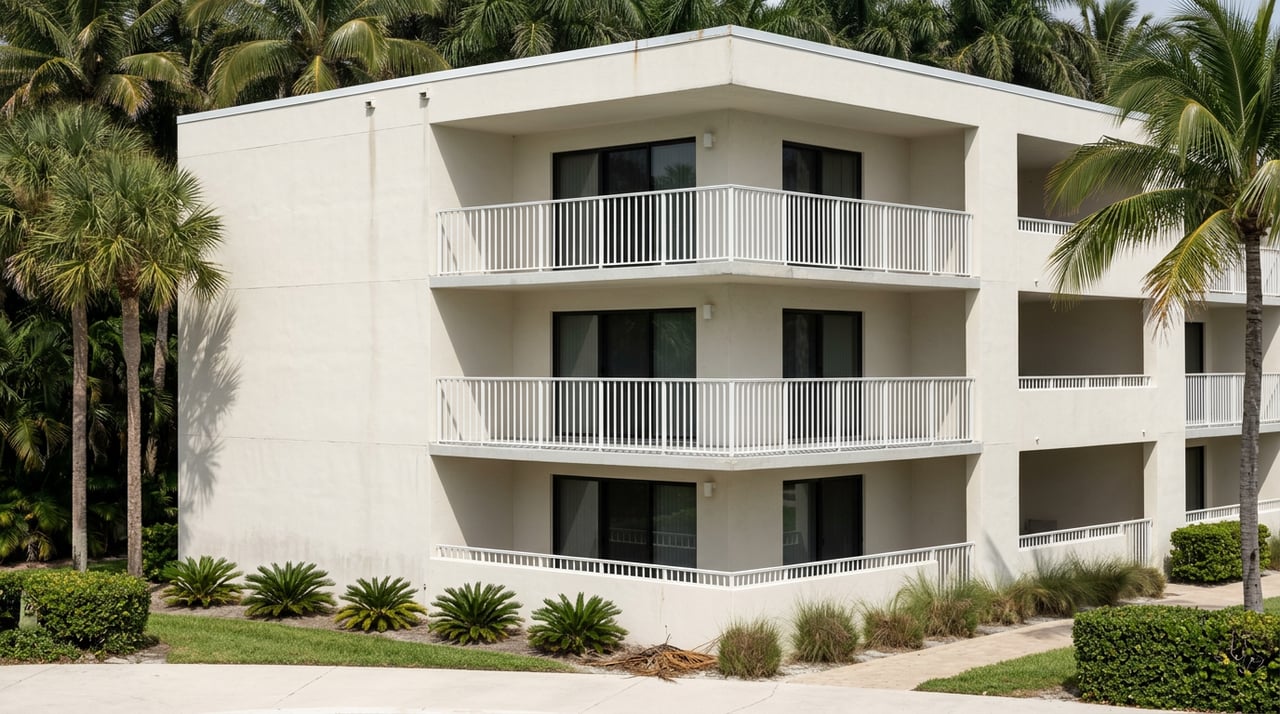
You’ll find modest single-family homes, some townhomes and duplexes, and a limited number of new subdivisions. If you want suburban living near water and everyday services, Lynn Haven offers a practical starting point.
Common home styles and what to check
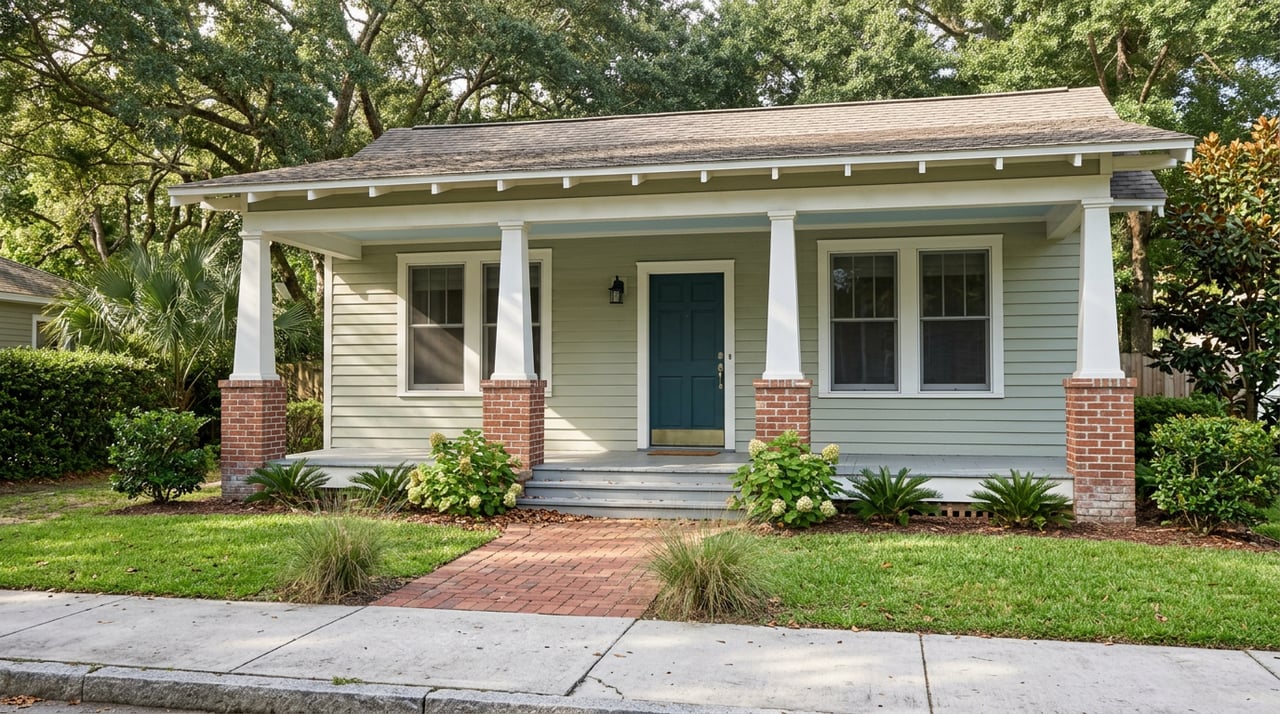
You’ll see a range of options, each with its own tradeoffs:
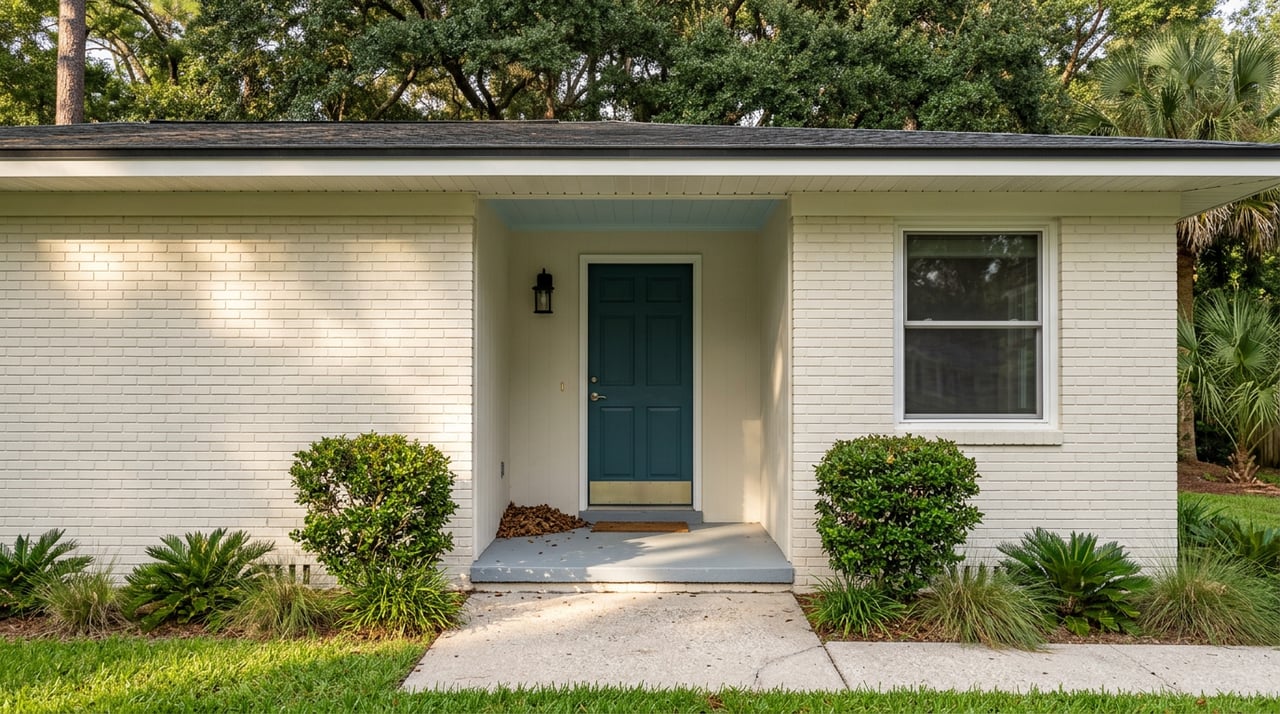
- Ranch and single-story homes from the 1970s–2000s. Simple layouts and often good starter value.
- Two-story, split-plan homes in newer subdivisions. More space and modern features.
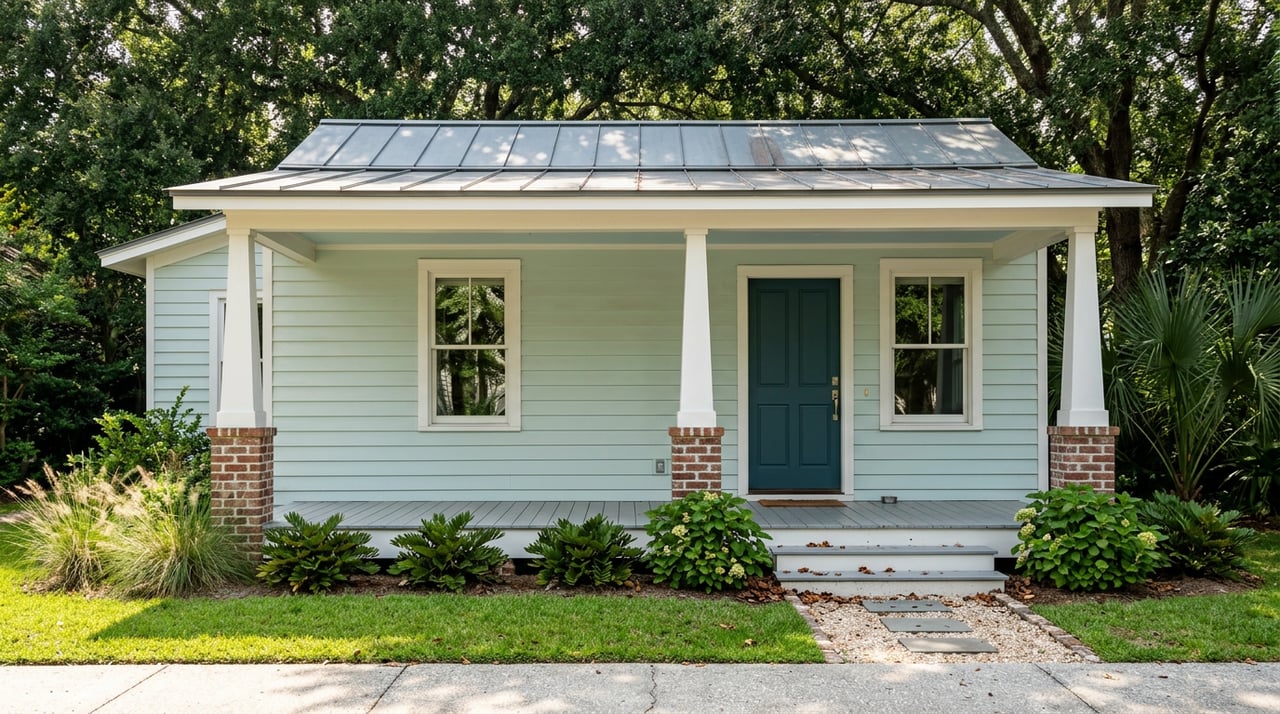
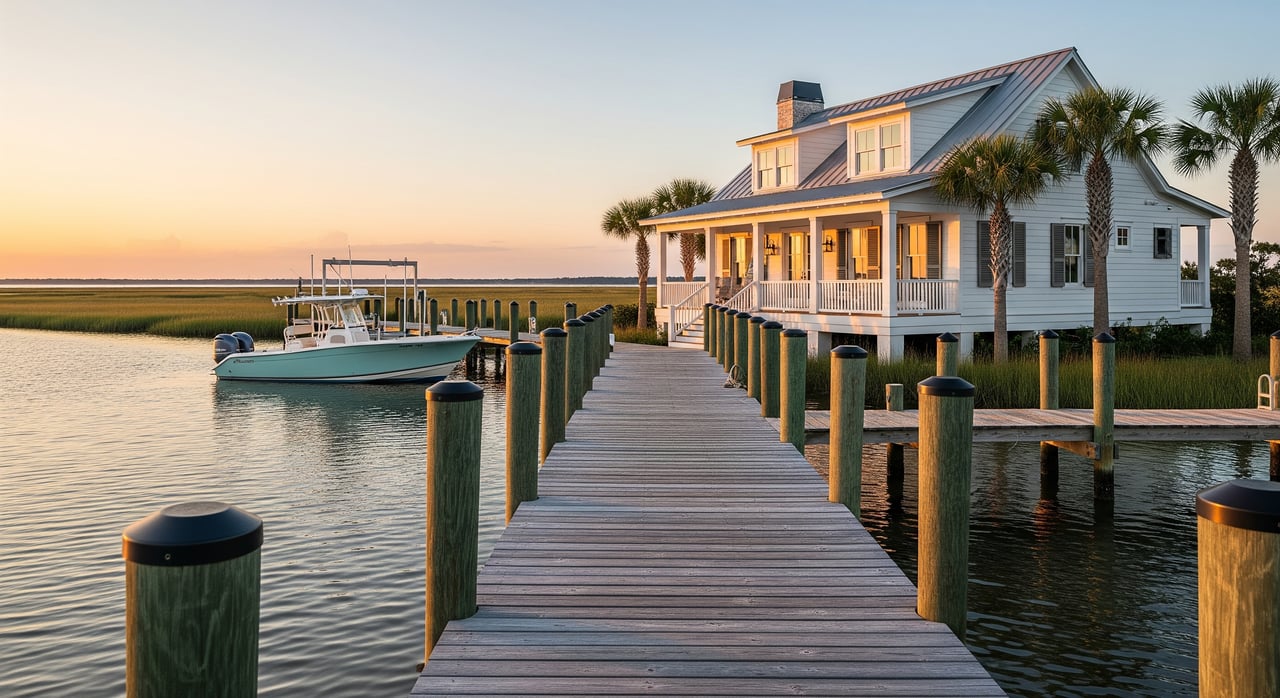
- Coastal or cottage-style homes near the bay. Often raised on pilings or elevated slabs due to flood exposure.
- Newer spec builds. These often follow updated codes and include wind-mitigation features.
Before you get attached to a listing, verify the basics:
- Year built and any post–Hurricane Michael permits or rebuilds.
- Foundation type and elevation, especially near the water.
- Wind mitigation features and roof age or replacement details.
- Utilities: city sewer or septic, plus irrigation or well systems.
- Flood zone designation and whether the current owner carries flood insurance.
HOA vs non-HOA: costs and control
Lynn Haven includes both HOA and non-HOA neighborhoods. Newer, planned communities are more likely to have HOAs, while many older pockets and waterfront areas may not.
- HOAs: Pros include consistent standards that can help curb appeal and resale. Some cover common areas or basic landscaping. Cons include dues, special assessments, and rules for exterior changes, vehicles, and rentals.
- Non-HOAs: Pros include fewer rules and potentially lower ongoing costs. Cons include less coordinated upkeep, which can influence long-term desirability.
When a home is in an HOA, request and review these early in your contingency period:
- CC&Rs, bylaws, budget, and reserve info.
- Current assessment amount and any special assessments.
- Rental and pet rules.
- Whether it’s professionally managed or volunteer-run.
Compare total monthly cost across similar homes, not just the price. Include mortgage, taxes, insurance, flood insurance if required, HOA dues, and typical utilities.
Commute and daily lifestyle
Public transit is limited, so plan for a car-based lifestyle. Many residents drive to Panama City employment centers, Panama City Beach retail and entertainment, and Tyndall Air Force Base. Peak-hour congestion can affect main connectors and bridge routes, so check drive times during your typical schedule.
Around town, you’ll find local parks, waterfront access points, and compact shopping corridors for everyday needs. Larger retail and medical hubs sit nearby in Panama City, and entertainment and nightlife are a short drive to Panama City Beach.
Schools and boundaries: how to verify
Lynn Haven is served by Bay District Schools. If schools matter for your decision, confirm current school assignment boundaries and performance data directly with official sources. Boundaries and programs can change, so rely on the most recent district maps and reports.
Insurance, wind, and flood planning
Bay County is in a hurricane-prone region. Post–Hurricane Michael code updates and wind-mitigation features can be meaningful advantages. Flood risk varies by neighborhood, especially near tidal waters and bayfront areas.
Plan for the following in your budget:
- Homeowners insurance with a windstorm deductible.
- Flood insurance if the property sits in a Special Flood Hazard Area. Lenders require it for SFHA properties.
- Possible use of the state’s insurer of last resort if private options are limited.
During your due diligence, request a wind mitigation report and, if flood risk is a factor, an elevation certificate. These can influence insurance availability and premiums.
Step-by-step timeline to closing
Follow this locally tuned path to keep your purchase on track:
1) Research and budget (1–2 weeks)
- Compare neighborhoods by commute, flood exposure, HOA rules, and school assignment.
- Estimate total monthly cost: mortgage, taxes, homeowners insurance, flood insurance if needed, HOA dues, and utilities.
2) Get pre-approved (1–7 days)
- Seek a formal pre-approval, not just a pre-qualification.
- Local lenders understand Florida wind and flood requirements and can help you model realistic payments.
3) Search and tour (2–8+ weeks)
- Tour both HOA and non-HOA options to see how rules and dues affect lifestyle and budget.
- Pay attention to roof age, wind-mitigation features, and elevation near water.
4) Offer and negotiate (days to a week)
- Include inspection, financing, and HOA document review contingencies.
- If the market tightens, consider strategies like escalation clauses and streamlined timelines.
5) Due diligence period (7–21 days)
- General home inspection covering structure, roof, HVAC, plumbing, and electrical.
- Specialty inspections: termite/wood-destroying organisms, mold, wind mitigation, elevation certificate, and sewer/septic as needed.
- HOA document review if applicable.
- Title search and closing/title company review.
6) Appraisal and underwriting (2–3 weeks)
- Appraisal results can affect loan approval if comparable sales are challenging.
- Lenders will require flood insurance if the property is in an SFHA.
7) Final walk-through and closing (30–60 days typical)
- Coordinate with your title company on closing documents, property tax proration, and recording.
Lynn Haven due diligence checklist
Use this list once you’re under contract:
- Verify flood zone on current FEMA maps; order an elevation certificate if needed.
- Pull city building permits, especially for post–Michael repairs and additions.
- Request a wind mitigation report or roof certification for insurance.
- Confirm homeowners and wind policy options and whether placement with a residual market insurer could be required.
- Identify sewer vs septic; inspect septic systems where present.
- For waterfront lots, document elevation, seawall permits, and condition.
- Ask title company to identify any drainage or utility easements on the lot.
Waterfront and low-lying areas
If you want bay access or water views, expect a closer look at elevation, foundation type, and maintenance costs. Raised foundations, pilings, or higher slabs can help manage flood risk. Seawall repairs or replacements can be significant, so assess condition and permits early.
Cost comparison tips for first-time buyers
- Model your payment with multiple insurance quotes, not just one.
- Compare HOA and non-HOA options on total monthly outlay, including dues and rules that might affect future costs.
- Consider long-term resale: consistent upkeep, newer builds, or proximity to employment centers can support demand over time.
Common mistakes to avoid
- Skipping an elevation certificate when flood exposure is possible.
- Overlooking permit history for major post-storm work.
- Assuming insurance will be easy or cheap without quotes.
- Ignoring HOA rules until after contingencies expire.
- Focusing only on list price and not total monthly cost.
How Think Real Estate helps
You deserve a calm, informed path to your first home. Our team pairs neighborhood-level insight with tools and support to simplify every step. We help you compare HOA and non-HOA options, surface insurance and flood considerations early, line up the right inspections, and coordinate with local lenders and title partners. When you want a guide who knows Lynn Haven and cares about your goals, we’re here.
Ready to talk next steps? Reach out to Think Real Estate for a friendly, local game plan.
FAQs
How long does it take to buy a first home in Lynn Haven?
- Many first-time buyers move from offer to closing in about 30 to 60 days, with 2 to 8 weeks of searching before that depending on inventory and your schedule.
What should I compare between HOA and non-HOA homes?
- Compare total monthly cost, including HOA dues, plus rules that affect your plans for vehicles, exterior changes, pets, and rentals.
Do I need flood insurance as a Lynn Haven buyer?
- Lenders require flood insurance for homes in a Special Flood Hazard Area; consider quotes even outside SFHAs if flood exposure is a concern.
Which inspections matter most in Bay County?
- A general home inspection plus termite/wood-destroying organism, wind mitigation, roof, mold as needed, elevation certificate in flood-prone areas, and sewer/septic where applicable.
How does insurance affect my budget near the coast?
- Insurance can be a larger share of monthly costs due to wind and potential flood coverage; shop early and use wind mitigation credits where available.
What should I verify on older Lynn Haven homes?
- Check roof age, hurricane straps or other wind features, electrical and HVAC updates, permits for post-storm repairs, and utility type (sewer or septic).