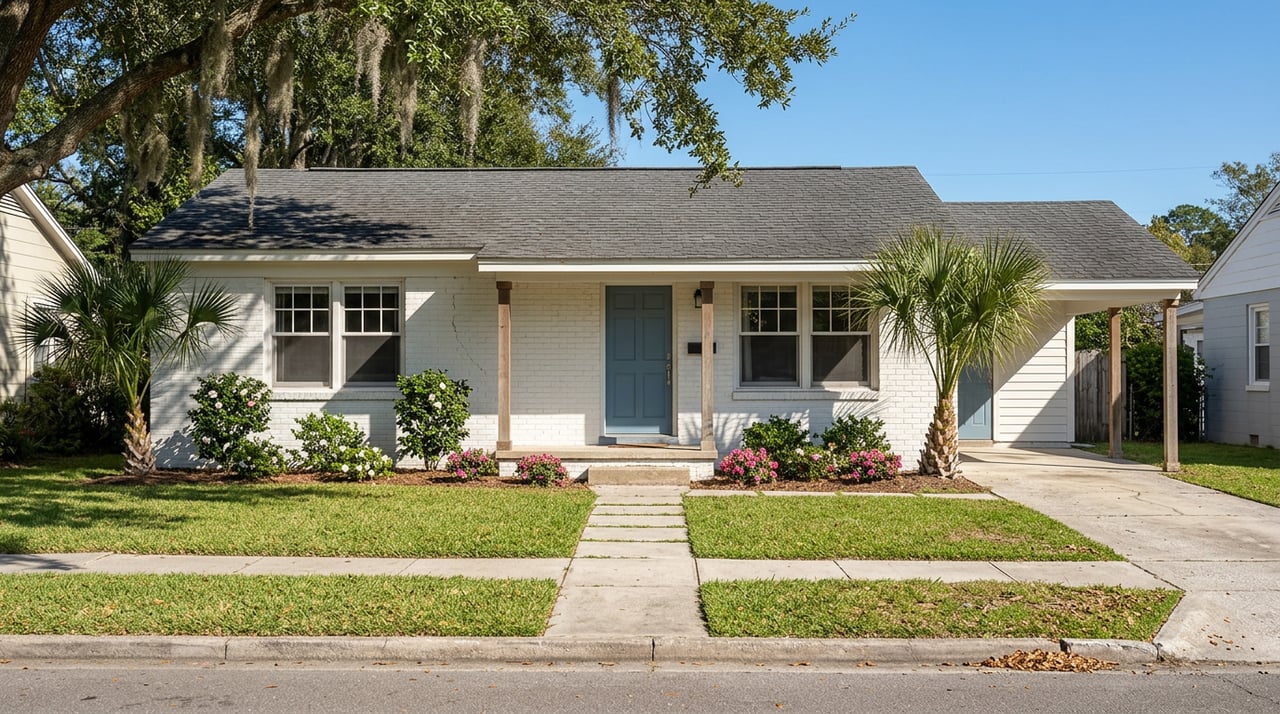
You love the character, tree-lined streets, and bay breezes of The Cove. Buying a historic home here can be rewarding, but it comes with extra homework on inspections, insurance, flood, and waterfront details. This guide walks you through what to expect, the key checks that protect your budget, and the updates that add value without losing charm. Let’s dive in.
Why The Cove draws historic buyers
The Cove sits just east of downtown Panama City along St. Andrews Bay. It is one of the city’s earliest neighborhoods, with homes that reflect the community’s growth in the early to mid-1900s. You can stroll to downtown and the St. Andrews Bay Yacht Club, and you will see homes and civic buildings highlighted on the local walking tour from the 1910s through the 1930s. For a sense of the neighborhood’s roots and landmarks, explore the city’s historic walking tour.
What “historic” means in The Cove
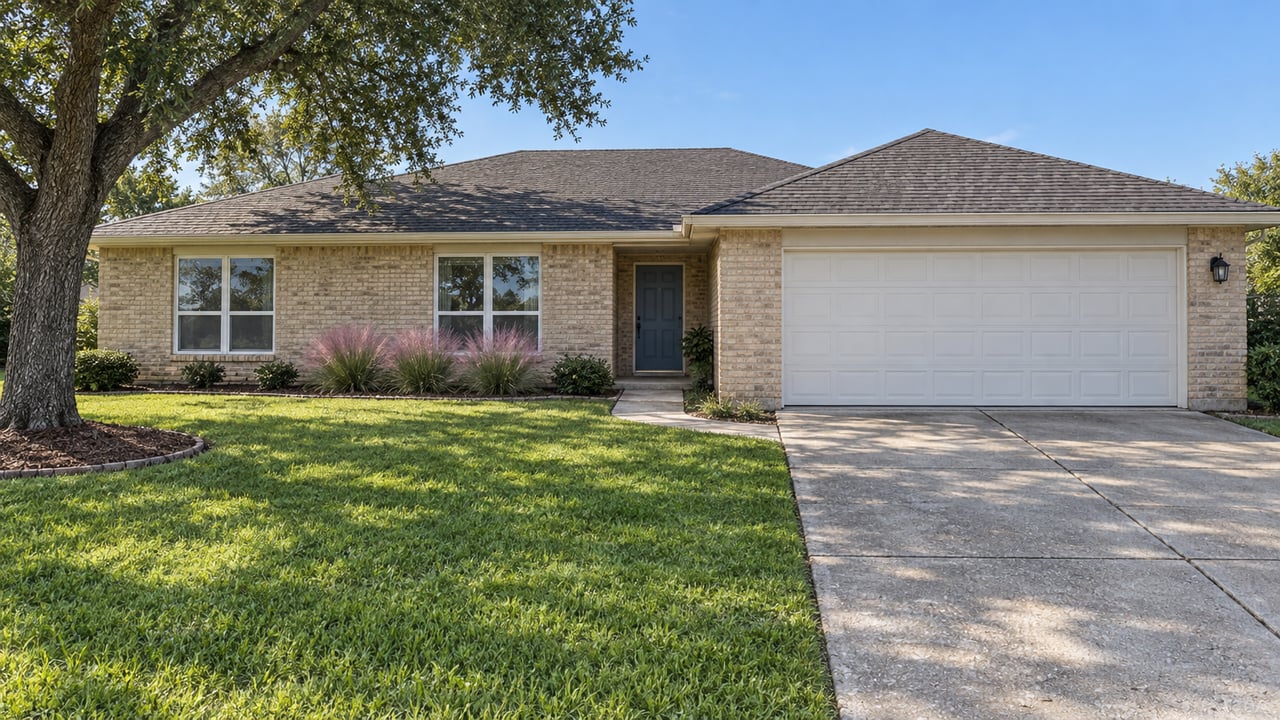
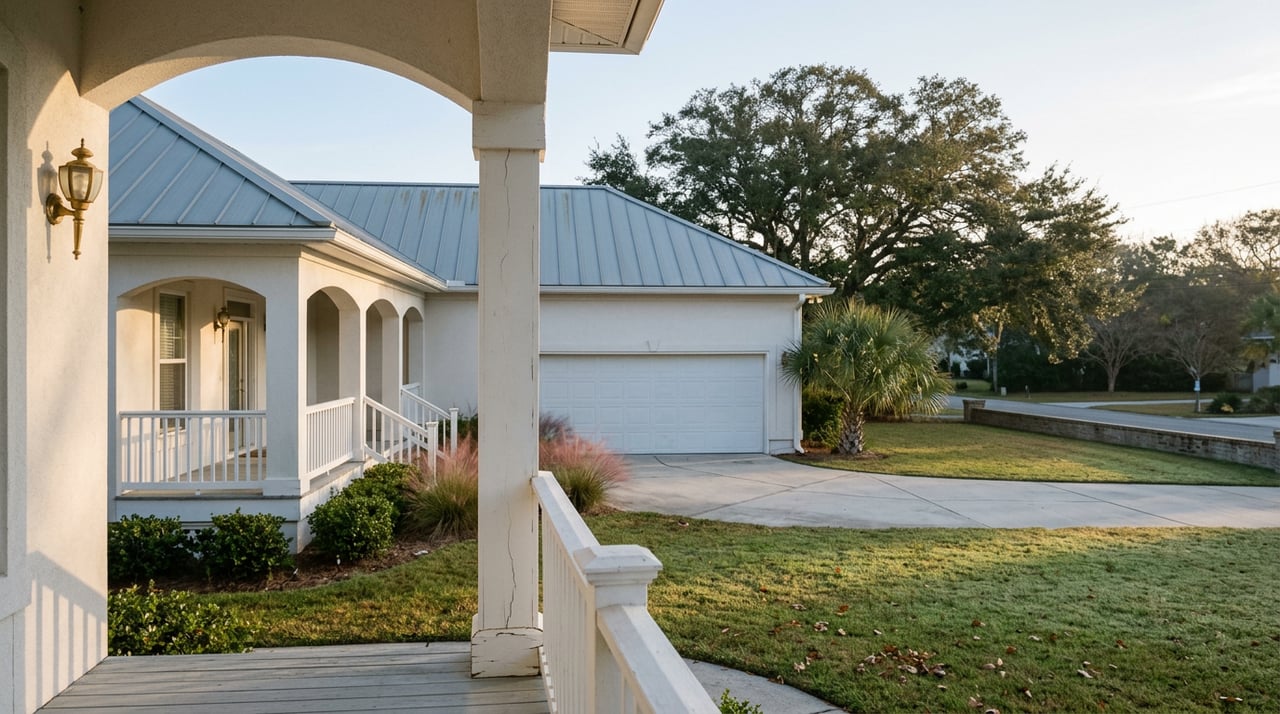
In The Cove, “historic” typically refers to homes built in the first half of the 1900s. You will see early cottages and bungalows, 1920s to 1930s revival styles, and mid-century ranch or coastal-cottage homes. Larger bayfront estates are common near Bunkers Cove, where deep-water access and private docks are prized. Mature oaks, rear alleys, and a peninsula-like street layout give many blocks a true bayfront feel.
Age-related issues to expect
Older, coastal homes often need system updates. Go in assuming you will verify major components and budget for improvements unless the seller has strong documentation of recent work.
Roofs and wind resilience
Roofs are a top risk in coastal Florida. Ask for the roof age, permit history, and any wind-mitigation report. Features like improved roof-to-wall connections, secondary water barriers, and rated coverings can help during storms and may support better insurance options. Many insurers and lenders rely on a 4-point inspection overview that documents roof, electrical, plumbing, and HVAC on older homes.
Plumbing and sewer lines
Legacy plumbing materials such as galvanized supply lines or cast iron sewer laterals are common in older Florida houses. Corrosion, low pressure, or line failures can add up. A sewer camera scope is a smart addition to your inspections, especially if the home’s age or disclosures hint at prior plumbing issues.
Electrical and HVAC
Expect to check panel type, wiring methods, and safety protection like GFCI and AFCI. Some older homes have undersized service or outdated equipment. Insurers often require documentation via a 4-point report, and recent HVAC service records can help you budget and plan.
Termites, moisture, and wood damage
Florida has an elevated termite risk, including subterranean and drywood species. A dedicated wood-destroying organism inspection is essential, and treatment history adds confidence. For background on statewide risk and prevention, review UF/IFAS guidance on subterranean termites.
Docks, seawalls, and salt exposure
If the property has a dock, lift, pilings, or a seawall, treat those structures as their own inspection item. Saltwater exposure can cause rot or corrosion, and marine borers can affect wood members. Bring in an engineer or experienced marine contractor and ask the seller for permits and as-built plans. Learn how shoreline projects are typically authorized in Florida from this dock and seawall permitting overview.
Lead-based paint and older materials
Homes built before 1978 may contain lead-based paint, and some older finishes or insulation can include hazardous materials. Federal rules require disclosures for lead-based paint in pre-1978 homes. Use certified contractors for any work that could disturb suspect materials.
Inspections and insurance to plan for
Historic homes reward careful due diligence. Here are the checks that matter most in The Cove’s coastal setting.
Essential inspections for older Florida homes
- Full home inspection to assess general condition and structure.
- Roof inspection and wind-mitigation report to document storm resilience and potential insurance savings.
- 4-point inspection to verify roof, electrical, plumbing, and HVAC for insurers and lenders. See what it includes in this 4-point inspection guide.
- Sewer scope to evaluate buried lines and spot failures early.
- Termite/WDO inspection due to statewide pest pressures. Review UF/IFAS resources on subterranean termites.
- Structural engineer review if the home is on the bay, has complex additions, or if your inspector notes settlement or framing concerns.
- Elevation Certificate if the home is in a Special Flood Hazard Area. See FEMA’s Elevation Certificate form and guidance.
Flood zones and NFIP basics
First, verify the property’s current FIRM flood zone using FEMA’s Flood Map Service Center. Then request any existing Elevation Certificate from the seller. If none exists and the home is in a Special Flood Hazard Area, plan to order one during your contingency. The City of Panama City offers local guidance on NFIP participation and homeowner resources on its Flood Insurance Information page. Always get a flood premium estimate before you finalize your purchase. Elevation data can affect your options and cost.
Homeowners insurance in today’s Florida market
Underwriting in Florida places added weight on roof condition, electrical safety, and wind-mitigation features. Expect hurricane deductibles, and plan for higher premiums on older or more exposed properties. Documented upgrades like a newer roof, improved connections, and verified opening protection often improve coverage and rates. Review current consumer guidance from the state on property insurance changes.
Hurricane Michael’s local lesson
The region’s experience with Hurricane Michael in 2018 sharpened the focus on wind performance and code-compliant upgrades. Confirm whether visible improvements such as roof replacement, opening protection, or tie-downs were permitted and inspected. You can see storm details in NOAA’s Storm Events Database.
Waterfront permits you will want to see
Waterfront work often requires approvals from the city or county, the Florida Department of Environmental Protection for sovereign submerged lands, and sometimes the U.S. Army Corps of Engineers. For any existing dock, lift, or seawall, ask the seller for permit records, leases, and as-built plans. Unpermitted shoreline improvements can be expensive to legalize or rebuild. You can get a sense of typical requirements from this Florida shoreline permitting overview.
Renovation choices that protect value
The goal is to modernize systems for safety and insurability while preserving the features that give a Cove home its soul.
Prioritize systems and resilience
Focus first on items that affect coverage and long-term cost: a hurricane-rated roof, updated electrical panels and wiring, HVAC replacement when needed, and repiping if you have legacy lines. Proven wind-mitigation features and documented upgrades tend to open access to more insurers. This can lower your overall carrying costs and improve resale.
Preserve character where it counts
When possible, retain original trim, porch proportions, and window patterns. Thoughtful rehabilitation that keeps defining details while upgrading systems appeals to many buyers seeking historic charm. Heavy-handed renovations that remove period character can reduce interest among that group.
Know your incentive options
The Federal Historic Rehabilitation Tax Credit typically applies to certified historic buildings used for income-producing purposes, not most owner-occupied primary residences. For current rules, certification steps, and any state-level grants, consult the Florida Division of Historical Resources’ guidance on the Rehabilitation Tax Credit.
A simple buyer’s checklist
Use this during your inspection window so you can make a confident decision.
- Confirm the FEMA flood zone on the FEMA Flood Map Service Center. Request any existing Elevation Certificate and plan to order one if needed.
- Ask the seller for permit history on roof, electrical, plumbing, HVAC, and any additions. For docks or seawalls, request permits and as-built plans.
- Order inspections: full home inspection, roof and wind mitigation, 4-point, sewer scope, termite/WDO, and a structural engineer review for waterfront or complex structures.
- Review Panama City’s NFIP resources on the Flood Insurance Information page. Then obtain preliminary flood and homeowners quotes using your reports.
- Prioritize code-compliant upgrades that improve wind resilience and safety. Keep character-defining features where you can.
In The Cove, you trade some maintenance certainty for location and history. A practical plan makes all the difference. Assume you will need specialized inspections, verify flood mapping and any waterfront permits, work with an insurer early, and prioritize a code-compliant roof and mechanical updates while preserving defining features. These steps help you balance charm with long-term cost and insurability.
Ready to explore historic homes in The Cove with a local expert by your side? Reach out to Think Real Estate to start your search and navigate each step with confidence.
FAQs
What does “historic” mean for homes in The Cove?
- In The Cove, many homes date to the early and mid-1900s, from cottages and bungalows to 1920s–1930s revival styles and mid-century houses near the bay.
How do I check a Cove property’s flood zone and elevation?
- Look up the address on FEMA’s Flood Map Service Center, then request or order an Elevation Certificate using FEMA’s EC guidance.
What inspections are often required for insurance on older Florida homes?
- Insurers commonly ask for a 4-point report on roof, electrical, plumbing, and HVAC, and may request a wind-mitigation report; see this 4-point overview.
What should I review for docks and seawalls on St. Andrews Bay homes?
- Ask for permits, as-built plans, and any submerged-lands authorizations, and have a marine contractor or engineer inspect; see Florida’s dock and seawall basics.
How did Hurricane Michael change what buyers should look for?
- The 2018 storm raised the bar on wind resilience; verify permitted roof and opening-protection upgrades and review NOAA’s storm record.
Are there tax incentives for restoring a historic Cove home?
- The federal credit generally applies to income-producing properties; for eligibility and current rules, consult Florida’s Division of Historical Resources tax credit page.