If you want a Panama City neighborhood where you can park the car and enjoy more of your day on foot, Old St. Andrews stands out fast. This is not a beach-resort strip or a place built around long drives between stops. It is a compact waterfront district where parks, local businesses, marina access, and historic sites sit close enough together to make walking feel natural. Let’s dive in.
St. Andrews feels built for walking
Old St. Andrews is part of Panama City on St. Andrews Bay, not Panama City Beach. That matters because the district has a different rhythm. Local and city sources describe it as a historic waterfront district with a compact town-center pattern, nearby residential streets, and a mix of shops, restaurants, and public spaces centered around Beck Avenue and West 10th Street.
That compact layout is one of the biggest reasons walkability feels real here. Instead of one destination sitting far away from the next, many of the places people actually use are clustered together. You can move from a coffee stop to the bay, from the park to lunch, or from the marina to an evening event without turning the day into a car trip.
The core is compact and connected
Walkability depends on more than just having sidewalks. It works best when streets, destinations, and public spaces all support short, easy trips. In St. Andrews, city design guidelines emphasize pedestrian traffic, storefront-oriented streets, and parking placed away from building fronts when possible, which helps the district feel more comfortable for people walking through the area.
Recent public improvements strengthen that experience. City projects in the St. Andrews Community Redevelopment Area have added sidewalks, lighting, and wayfinding, and a 2024 city memo notes a multi-use path between the Downtown Marina and St. Andrews Marina that improves pedestrian and cyclist connectivity while giving people bay access without needing a car.
The city also allows golf carts on designated streets in St. Andrews. While that is not the same as walkability, it does support the same idea: this is a district designed for short local trips, not just drive-only movement.
Beck Avenue anchors daily life
If you spend time in St. Andrews, Beck Avenue quickly feels like the district’s main thread. Historic St. Andrews describes the area as a walkable district with shops, boutiques, and restaurants along Beck Avenue and nearby side streets. That main-street feel is a big part of why the neighborhood stands apart within Panama City.
For you, that means your day can stay simple. You are not constantly crossing large commercial corridors to get from one stop to the next. The district’s shopping, dining, and public waterfront features are tied together in a way that encourages strolling, browsing, and making a few stops in one outing.
Waterfront access is part of the appeal
Many walkable places offer shops and restaurants. St. Andrews adds something better: the bay is part of the daily experience. Oaks by the Bay Park sits at the south end of Beck Avenue and includes a boardwalk to the bay, a walking track, gazebo, benches, picnic areas, and open waterfront views.
That kind of public access changes how a neighborhood feels. A quick walk does not have to be just about errands. It can also mean heading to the water for fresh air, taking in sunset views, or adding a scenic loop to your normal routine.
St. Andrews Marina adds another layer to that bayfront lifestyle. Located on West 10th Street, it offers a boat launch ramp, fishing, and slip rental, all within the same general district that also holds the park, dining spots, and historic sites.
You can combine errands and leisure
One of the clearest signs of a walkable district is that everyday stops and fun stops overlap. In St. Andrews, they do. The park, marina, market, museum, historic trail, and dining cluster all sit within the same compact area, which makes it easy to blend practical tasks with time outside.
That is a big reason the area feels livable rather than just visitable. You can grab coffee, stop by a shop, walk the waterfront, and meet friends for lunch in one district without spending the day getting back in the car. The neighborhood supports a pace that feels easier and more connected.
A Saturday here is easy to picture
The Market at St. Andrews helps show what everyday walkability looks like in real life. It operates on Saturdays from 9 a.m. to 1 p.m. at Oaks by the Bay Park and features produce, local honey, sauces, spices, crafts, and live music. Its history also ties back to local economic development and small-business growth, which fits the district’s community-centered identity.
That kind of event adds regular foot traffic and makes the area feel active without feeling overwhelming. For residents and visitors alike, it creates a reason to spend the morning outside, walk between stops, and stay local for the rest of the day.
History adds texture to the route
Walkability is not just about convenience. It is also about whether the walk itself feels interesting. In St. Andrews, the Historic St. Andrews walking trail adds that extra layer.
The self-guided trail is just over half a mile long and includes ten stops, including Oaks by the Bay Park, the Historic St. Andrews Church, the Panama City Publishing Company Museum, Uncle Ernie’s, Villa Gateway, the Governor Stone, St. Andrews Marina, and Ware Mercantile. That route links public space, local history, and waterfront access in a way that gives the district more depth than a typical commercial area.
For homebuyers, that matters. A neighborhood tends to feel more walkable when there is something to notice and enjoy along the way. Historic buildings, museums, and recognizable local landmarks make short walks feel more memorable and more worth repeating.
Dining and shopping stay close together
Destination Panama City highlights several dining and shopping stops in St. Andrews, including Hunt’s Oyster Bar, Uncle Ernie’s, Alice’s on Bayview, Little Village, Finn’s Island Style Grub, The Trendy Side, Gypsy Willow, Gypsy Beach Treasured Kreations, Floriopolis, and Sunjammers. The point is not just the names. It is the concentration.
When dining and retail options gather in a compact district, walking becomes more practical. You can make spontaneous decisions, change plans, or add one more stop without a major detour. That flexibility is one of the biggest quality-of-life benefits in a neighborhood like St. Andrews.
Little Village also adds a social layer, with waterfront shopping and entertainment and live music on its patio. In the evening, that helps keep the district active and inviting, especially when paired with the bayfront setting and sunset views.
The neighborhood has a year-round feel
Another reason St. Andrews stands out is that it feels like a real neighborhood first. City and tourism materials present it as a place with history, residential streets, public waterfront access, small businesses, and active redevelopment planning. That creates a different feel from areas shaped mainly by visitor traffic.
For you, this can make a big difference if you are choosing where to live. A year-round district often offers a steadier routine, stronger neighborhood identity, and a better mix of daily-use spaces. In St. Andrews, the walkability is tied to how the area functions every week, not just during peak travel times.
Homes near the core add lifestyle value
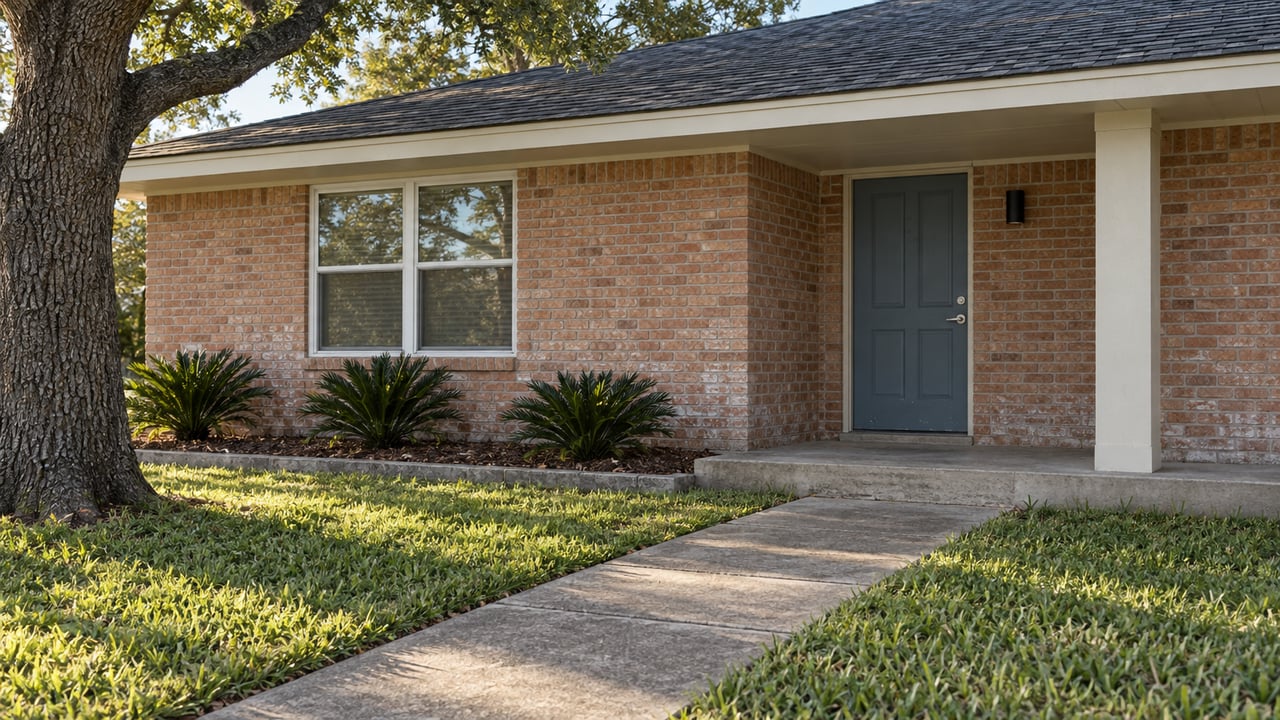
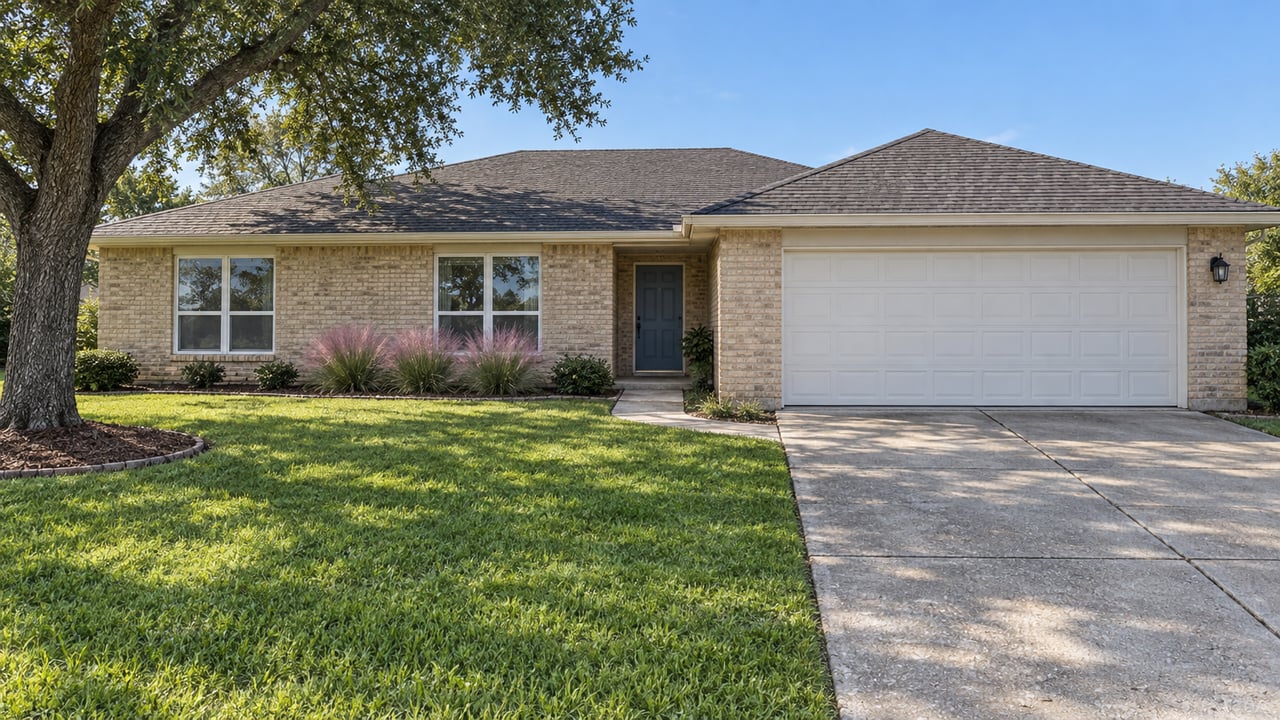
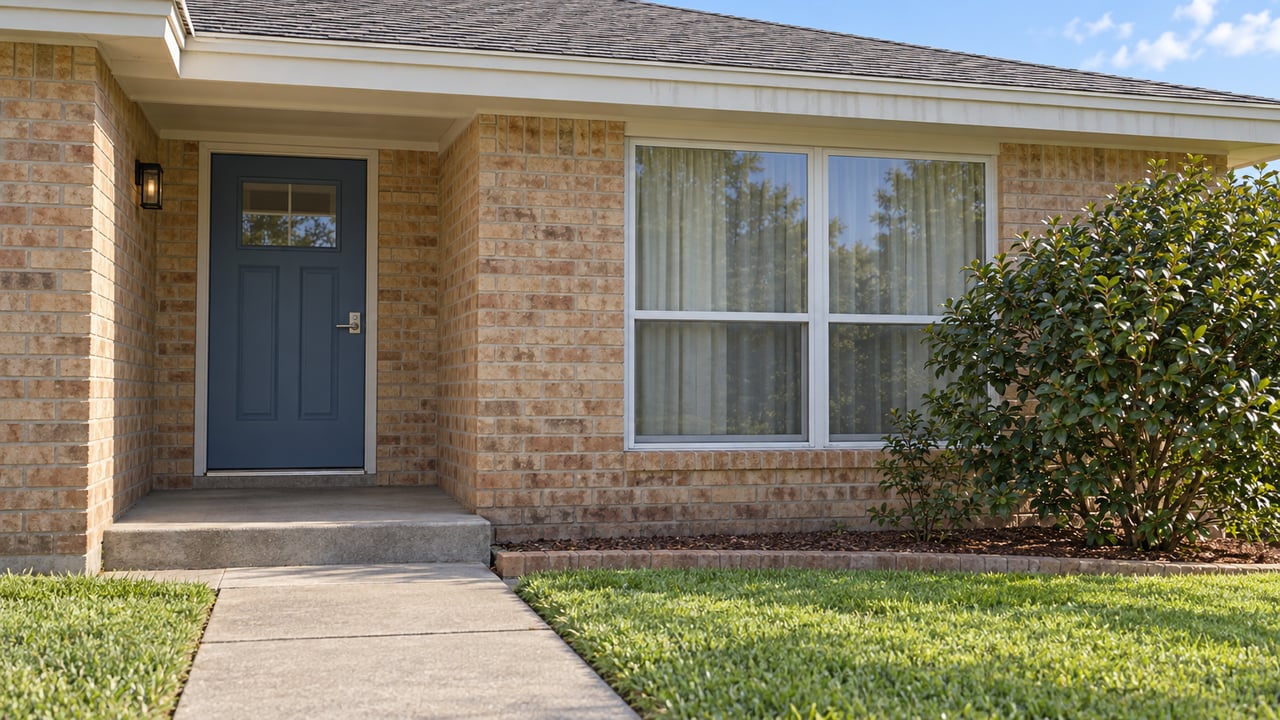
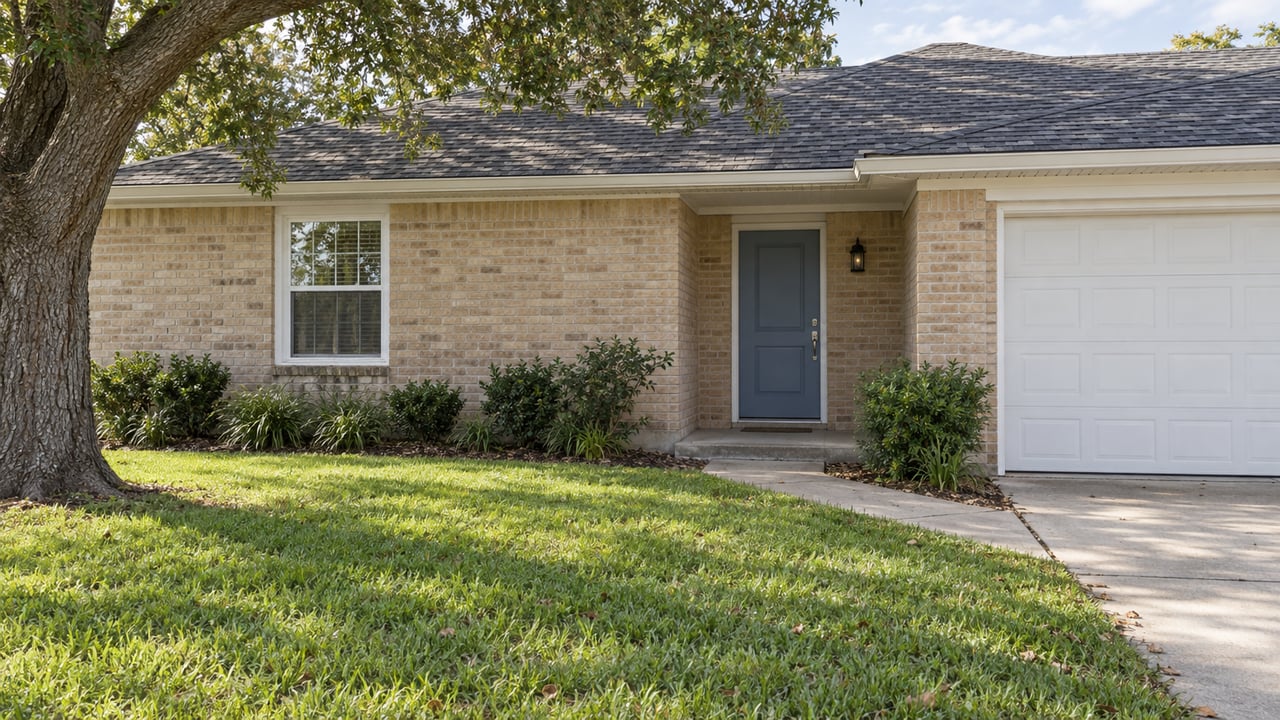
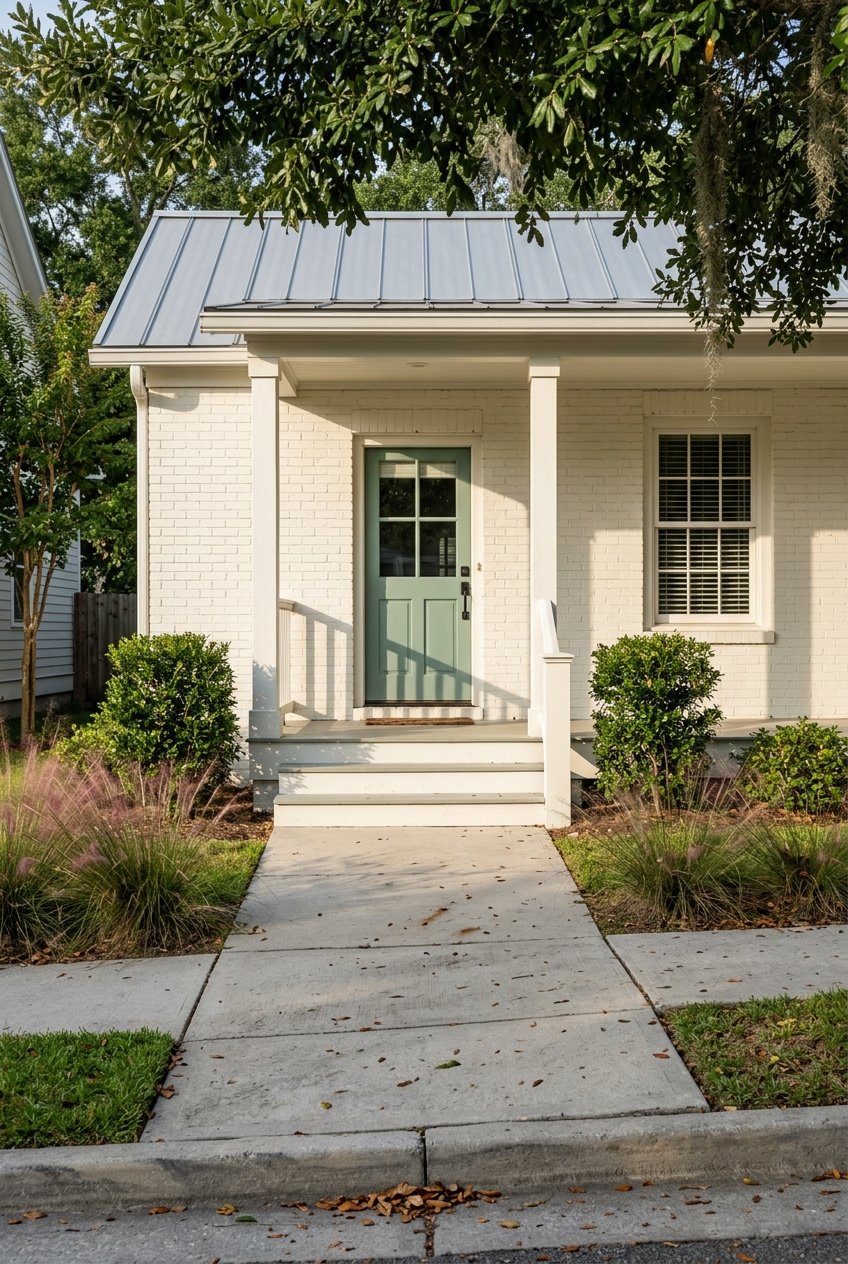
The housing story in St. Andrews is less about one single home style and more about character and proximity. City design guidelines describe residential areas around the core commercial subdistricts as compact, historically accessible town centers. They also note that many homes are 1940s vernacular structures or even older houses from the late 1800s to early 1900s, often with features like porches and breezeways.
The same guidelines also reference commercial and multifamily residential construction, which points to a mixed property pattern near the walkable core. In practical terms, that means you may find older single-family homes, historic cottages, and some mixed-use or multifamily possibilities depending on the block and current inventory.
For buyers, that variety can be appealing. If your goal is to live near local dining, waterfront access, and a more connected street scene, proximity to the core may offer a lifestyle that feels different from more spread-out parts of Bay County.
Why St. Andrews stands out locally
Not every neighborhood needs to be fully car-free to be genuinely walkable. In St. Andrews, the value comes from having enough meaningful destinations close together to make walking an easy choice for part of your day. That includes bayfront parks, marina access, local businesses, a weekend market, historic sites, and public improvements that support getting around.
Put simply, St. Andrews is one of Panama City’s most walkable districts because the pieces already work together. The street pattern is compact, the waterfront is public and accessible, and the mix of uses gives you reasons to keep coming back on foot.
If you are thinking about buying or selling in Old St. Andrews, local neighborhood knowledge matters. The team at Think Real Estate can help you understand how location, home style, and proximity to the district core may shape your options and your long-term lifestyle.
FAQs
Is St. Andrews actually in Panama City?
- Yes. St. Andrews is a waterfront district within Panama City on St. Andrews Bay, not Panama City Beach.
Can you do a lot in St. Andrews without driving?
- Yes. The district includes a half-mile historic walking trail, Oaks by the Bay Park, the marina, a weekend market, and a compact cluster of shops and restaurants, plus city-funded sidewalk, lighting, and wayfinding improvements.
What makes Old St. Andrews feel more walkable than other areas?
- Its compact layout, pedestrian-focused design, waterfront public spaces, and concentration of daily destinations along Beck Avenue and West 10th Street make short trips easier to do on foot.
What can you walk to in Old St. Andrews?
- Depending on where you start, you may be able to walk to Oaks by the Bay Park, St. Andrews Marina, the Historic St. Andrews walking trail, local shops, restaurants, and The Market at St. Andrews on Saturdays.
What types of homes are found near the St. Andrews core?
- City design guidance suggests a mix that can include older single-family homes, historic cottages, and some mixed-use or multifamily properties, with the exact inventory varying by block and current listings.