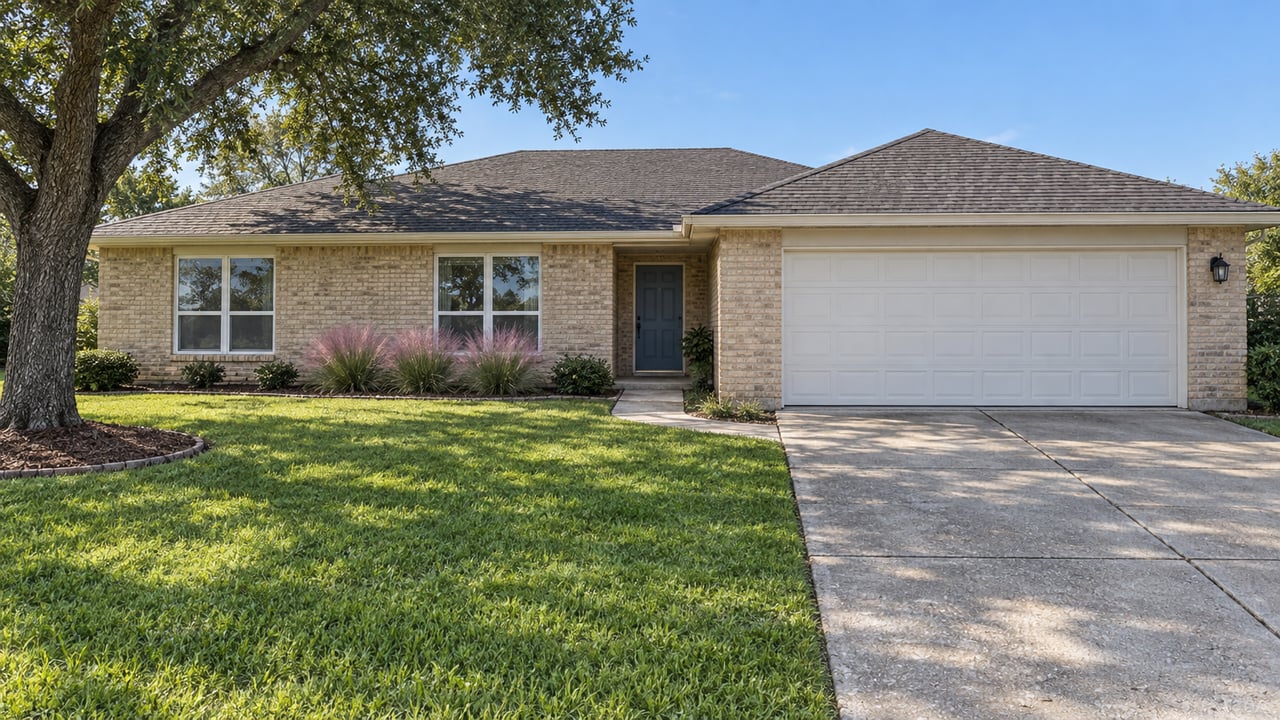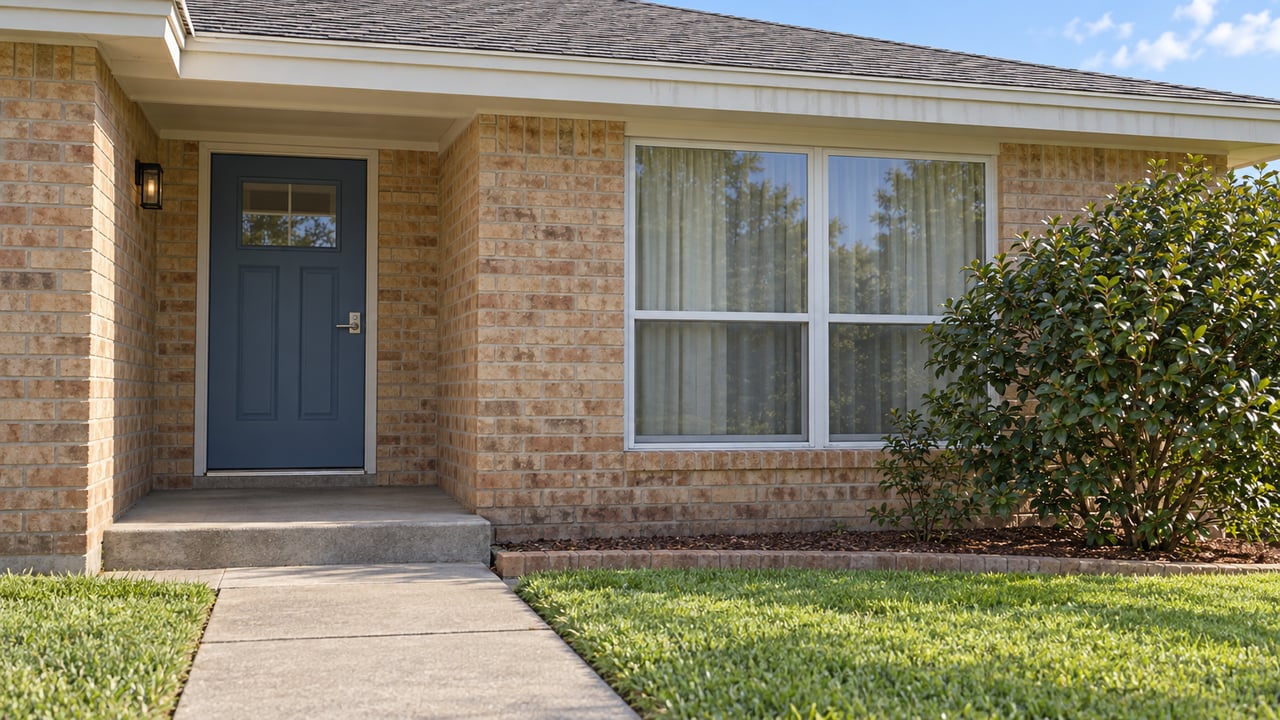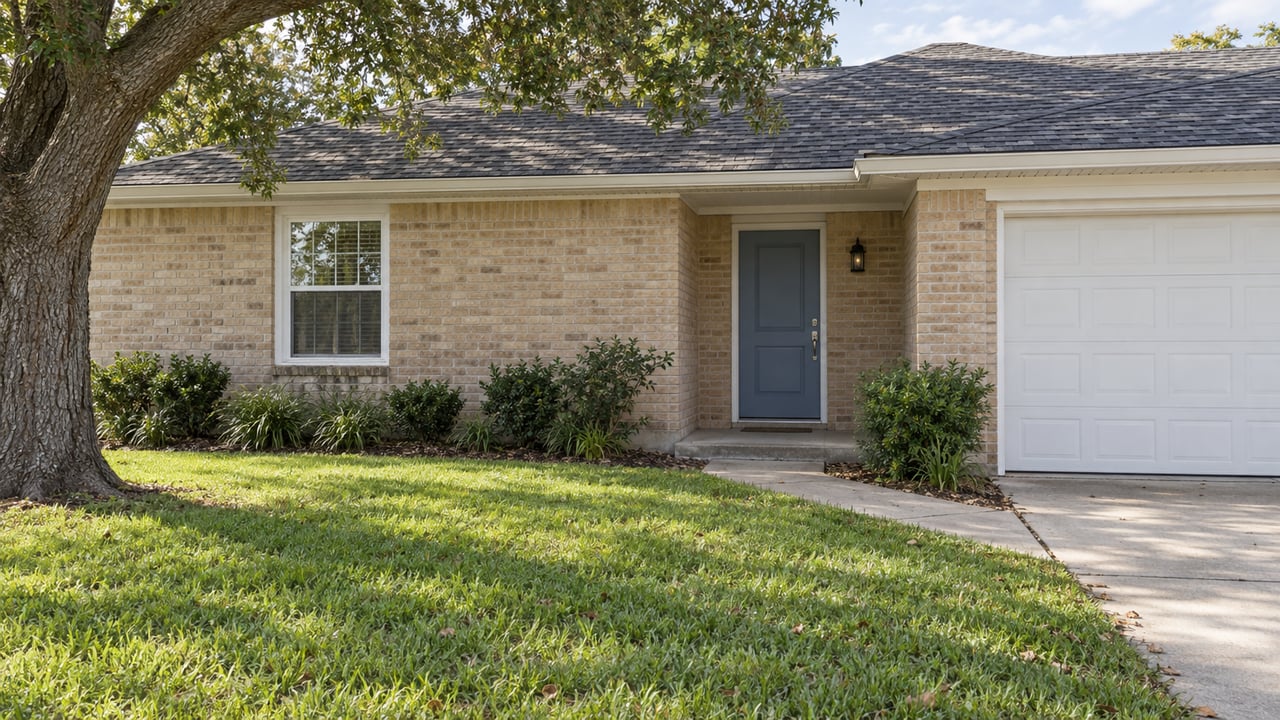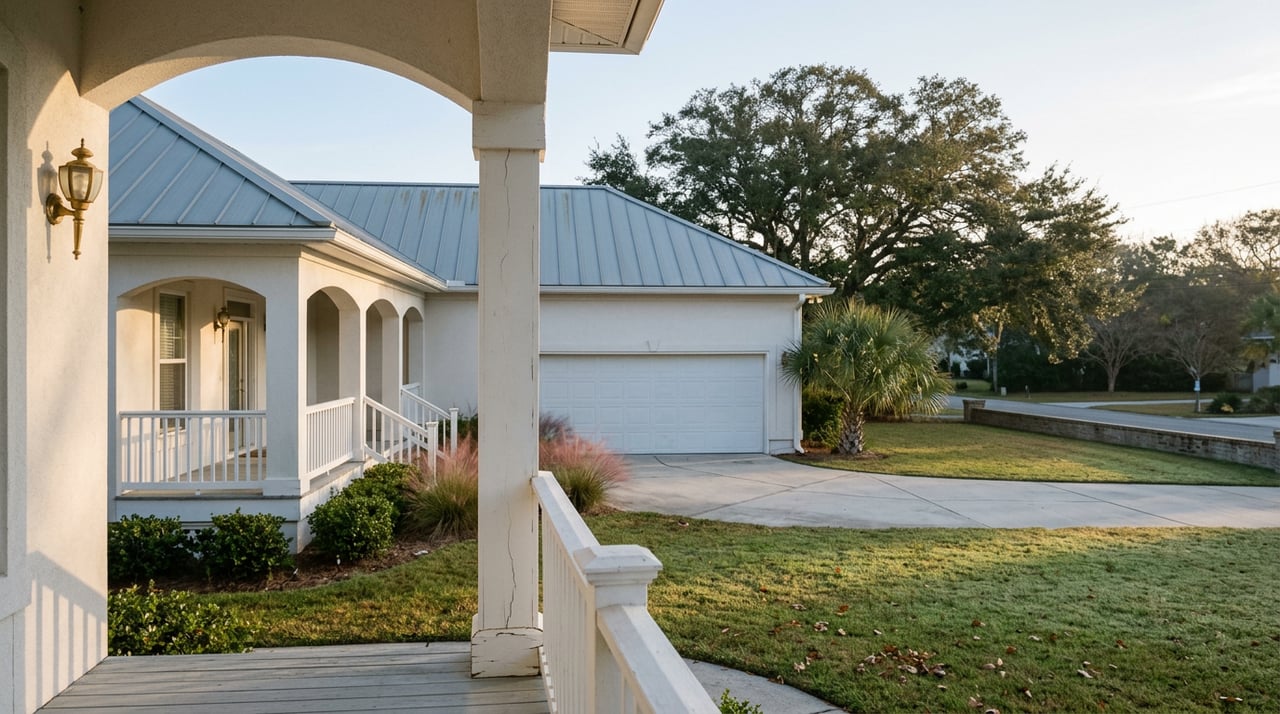
Dreaming about gated coastal living in Bay Point? Before you fall for the marina views, golf fairways, or canal-front docks, it helps to know that this community is more layered than it first appears. If you are thinking about buying in Bay Point, understanding the rules, property types, and ownership costs can help you avoid surprises and buy with confidence. Let’s dive in.
Why Bay Point Stands Out
Bay Point is a large gated community in Panama City Beach located between Grand Lagoon and St. Andrews Bay. According to the community, it includes more than 1,500 homes, over 20 sub-associations, an 180-slip marina, a yacht club, a championship golf course, restaurants, and resident clubs.
That mix gives Bay Point a strong lifestyle draw, but it also means you are not shopping one simple neighborhood. You are really choosing among different sub-associations, property types, and rule sets that can shape your day-to-day experience.
Bay Point Is Not One HOA
One of the biggest buyer mistakes in Bay Point is assuming every property comes with the same rules and amenities. It does not. HOA expectations, water access, design review, rental policies, and even practical use issues can vary depending on the parcel and sub-association.
That matters because two homes with similar price points may offer very different ownership experiences. A golf-area home may be relatively simple to maintain, while a canal-front property can come with far more operational rules and waterfront upkeep.
What Gated Access Means Day to Day
Bay Point’s gated setup is a real operational feature, not just a sign at the entrance. Under the 2026 BPCA rules, vehicular and pedestrian access is controlled by seven gates, with separate resident and visitor lanes and restrictions on single-vehicle entry through barrier arms.
The rules also prohibit tailgating or piggybacking through an open gate. Electronic access is treated as a privilege for owners, tenants, and owner-sponsored guests, and it can be suspended for rule or payment violations.
If you expect frequent visitors, this is worth understanding early. Owners in good standing may sponsor up to two non-owner guests for electronic access passes, with a first-year cost of $250 and $200 for each renewal.
Visitor and Showing Rules to Know
Bay Point’s access rules affect more than just your own entry. Public events and public-facing open houses are prohibited, and prospective buyers must be accompanied inside Bay Point by a licensed realtor or broker who provides a business card to the security officer.
For you as a buyer, that means tours and showings need to be handled correctly from the start. In a community like this, local guidance can be especially helpful because access logistics are part of the process.
Property Types Shape the Buying Decision
The best Bay Point home for you depends a lot on how you plan to live. Some buyers want a golf-centered property with lower marine complexity, while others want canal access or open-water views and are comfortable with more rules and maintenance.
Here is how the main options differ.
Golf-Course Homes
Golf-oriented sections of Bay Point include Fairways at Bay Point, Golf Cove, Golf Villas, and several Legends communities. These homes generally fit buyers who want the resort feel and golf access without the extra upkeep that often comes with docks, seawalls, and lifts.
If your priority is easy coastal living with a polished setting, this can be the simplest ownership path. You still need to verify the sub-association rules, but golf-course homes are usually the least marine-intensive option.
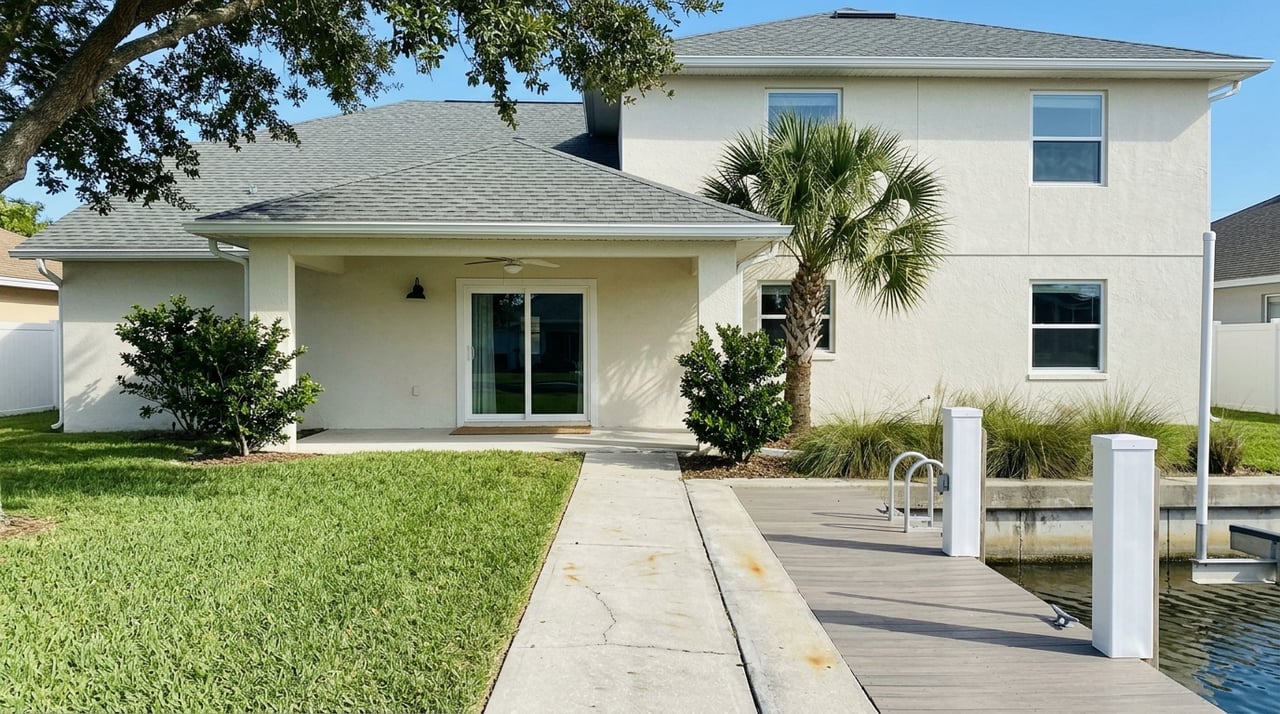
Canal-Front Homes
Canal-front property is often the most complex waterfront choice in Bay Point. The current rules say the Bay Point Canal is a no-wake zone with a 5 mph idle limit, anchoring is generally prohibited except during storm closings, and motorized watercraft in the canal for more than 30 days must display a free Bay Point Canal Decal.
There are also physical fit issues to review before you buy. The canal guide says the canal is dredged to 5 feet at mean low water, bridge clearance varies with the tide, and buyers should verify actual boat height against real conditions rather than relying on assumptions.
The rules also limit what can be built and stored. Docks, lifts, seawalls, and other waterfront features can require Canal Association approval and sometimes Bay County permits before work begins, and lift capacity is capped at 20,000 pounds with no boathouses allowed.
If you own a boat, this is where details matter most. Beam, height, bridge clearance, lift capacity, and lot setup all need to work together comfortably for the property to truly fit your lifestyle.
Bayfront Homes
Bayfront homes usually appeal to buyers who want open views and direct exposure to St. Andrews Bay. These properties can offer a striking setting, but they also deserve extra attention during due diligence because shoreline exposure can differ from more inland lots.
The research report notes that buyers should verify the exact parcel on the FEMA Flood Map Service Center before making an offer. Flood risk is a parcel-level issue, and two nearby properties may not share the same flood profile.
Golf, Marina, and Club Access
Another important point for buyers is that amenities are not always bundled into ownership. Bay Point Golf Club says its membership is non-equity and separate from home ownership.
That means golf dues should be treated as an optional lifestyle expense, not an automatic part of the deed. Membership categories listed by the club include individual, family, and junior options, with benefits such as course access, driving range use, guest rates, advance tee times, and pro-shop discounts.
Bay Point also lists social and activity groups such as the Yacht Club, Tennis Club, Women’s Club, Men’s Golf Club, Book Club, Gourmet Club, and Wine Club. For boating, Point South Marina at Bay Point is operated separately and serves vessels from 30 to 120 feet, with slips, fuel dock service, and boat-related offerings.
Rental and Use Rules Matter
If you are buying with future flexibility in mind, rental rules deserve a close look. The 2026 Bay Point rules state that short-term rentals are not permitted in single-family homes, while condominium short-term rentals depend on the unit’s governing documents and Bay County requirements.
For long-term rentals, owners or managers must submit lease details, occupant names, vehicle information, and occupancy dates before move-in. Owners also remain responsible for tenant violations, so rental ownership still requires active oversight.
Use rules extend beyond leasing. Bay Point also regulates parking, noise, pets, and exterior lighting, with overnight parking restrictions for RVs, boats, trailers, and storage pods unless they are inside an enclosed garage.
Renovation Review Before You Buy
If you are planning updates, do not assume exterior work will be simple. In Bay Point West, exterior changes and new construction require ARC review, and the current rules call for substantial submissions rather than informal approval.
On waterfront lots, the review process can be even more involved. Canal-lot improvements such as docks, lifts, and seawalls may require both community approval and Bay County permits before construction starts.
This is especially important if you are buying for renovation potential. A property may look like a great value until you factor in review timelines, permit needs, and design restrictions.
Insurance and Flood Costs to Budget For
In coastal Florida, purchase price is only part of the math. FEMA says flood risk should be checked at the parcel level and that standard homeowners insurance does not typically cover flood damage.
Florida’s insurance department also says homeowners policies may include a separate hurricane deductible, and state law requires insurers to offer deductible options including $500, 2%, 5%, or 10% of dwelling coverage. For Bay Point buyers, that means you should look closely at the full insurance stack, not just the base premium.
A smart insurance review usually includes:
- The exact flood zone for the parcel
- Whether flood coverage is needed or advisable
- The hurricane or wind deductible structure
- The total monthly and annual carrying cost after all policies are added
Best Due Diligence Before an Offer
Bay Point can be an excellent fit, but it rewards careful buyers. Because the community has multiple sub-associations, separate memberships, and waterfront-specific rules, the strongest offers usually come from buyers who have already done the homework.
Before writing an offer, focus on these high-value checks:
- Confirm the exact sub-association and its rules
- Verify gate access logistics for owners, tenants, and guests
- Review rental permissions for the property type
- Get a flood-zone review for the exact parcel
- Request insurance quotes that include flood and hurricane costs
- Compare any boat to canal depth, bridge clearance, and lift limits if the home is waterfront
- Ask about approval requirements for planned exterior changes or dock work
Buying Bay Point With Confidence
Bay Point offers a rare mix of gated access, coastal setting, golf, marina access, and varied home styles. The key is making sure the property you choose matches how you actually want to live, whether that means easier golf-course ownership, a highly functional canal-front setup, or open-water views on the bay.
When you understand the sub-association, ownership rules, insurance picture, and lifestyle tradeoffs before you buy, you put yourself in a much stronger position. If you want local guidance on Bay Point homes, waterfront fit, or the due diligence that matters most, connect with Think Real Estate for a personalized next step.
FAQs
What should buyers know about Bay Point HOA rules?
- Bay Point is made up of more than 20 sub-associations, so rules, amenities, rental policies, and water access can vary by property.
What should buyers know about gated access in Bay Point?
- Bay Point uses seven controlled gates, separates resident and visitor access, prohibits tailgating through barrier arms, and can suspend electronic access for rule or payment violations.
What should buyers know about short-term rentals in Bay Point?
- The 2026 rules state that short-term rentals are not allowed in single-family homes, while condominium short-term rentals depend on the condo documents and Bay County requirements.
What should buyers know about canal-front homes in Bay Point?
- Canal-front ownership comes with added rules for boat size, bridge clearance, wake limits, docks, lifts, and waterfront improvements, so buyers should confirm that their boat and plans fit the property.
What should buyers know about flood insurance in Bay Point?
- Flood risk should be checked for the exact parcel, and standard homeowners insurance does not typically cover flood damage, so buyers should review both flood coverage and hurricane deductible costs before closing.
What should buyers know about golf membership in Bay Point?
- Bay Point Golf Club membership is separate from home ownership, so buyers should view golf dues as an optional lifestyle cost rather than an automatic ownership benefit.