Dreaming of a Gulf‑view condo you can enjoy and rent when you are away, but not sure where to start? You are not alone. Between short‑term rental rules, HOA finances, insurance, and financing, buying a condo in Panama City Beach can feel complex. This guide breaks down the most important local steps so you can buy confidently and protect your investment. Let’s dive in.
Why PCB condos attract buyers
Panama City Beach blends a laid‑back coastal lifestyle with strong visitor demand. Tourism helps support rental income for many condo owners, with peak summer months and a quieter shoulder season where longer stays are common. You can use local visitor research and reports to understand seasonality and demand patterns from an authority like Visit Panama City Beach’s partner resources.
If you are planning to rent, think in terms of two seasons. Summer often brings higher nightly rates and occupancy. Fall through spring can be steadier with longer bookings. Your pricing and management plan should reflect that rhythm.
Sub‑areas and building types
Not all PCB condos perform the same. Location and building style shape price, rentability, and ownership costs.
Front Beach Road and Pier Park
You will find many high‑rise, amenity‑rich towers near Pier Park. These buildings often see strong nightly demand and visibility. Expect higher HOA dues and exposure to windstorm deductibles because of size and location on the beach.
Laguna Beach and West End
This quieter stretch includes lower‑rise and mid‑rise options. Buyers often choose it for a slower pace and calmer beaches. Inventory can be more limited, and rental rules vary by association, so read documents closely.
Carillon and private villages
Gated, village‑style communities with private beach access can command premium pricing. Rental inventories are smaller and rules are community‑specific. Scarcity can help values, but be sure the allowed lease terms fit your plan.
Grand Lagoon and East End
Marina and bayfront properties appeal to boaters. Some buildings prioritize owner occupancy or longer leases. Dockage, water access, and community amenities influence value as much as beach proximity.
High‑rise vs. low‑rise
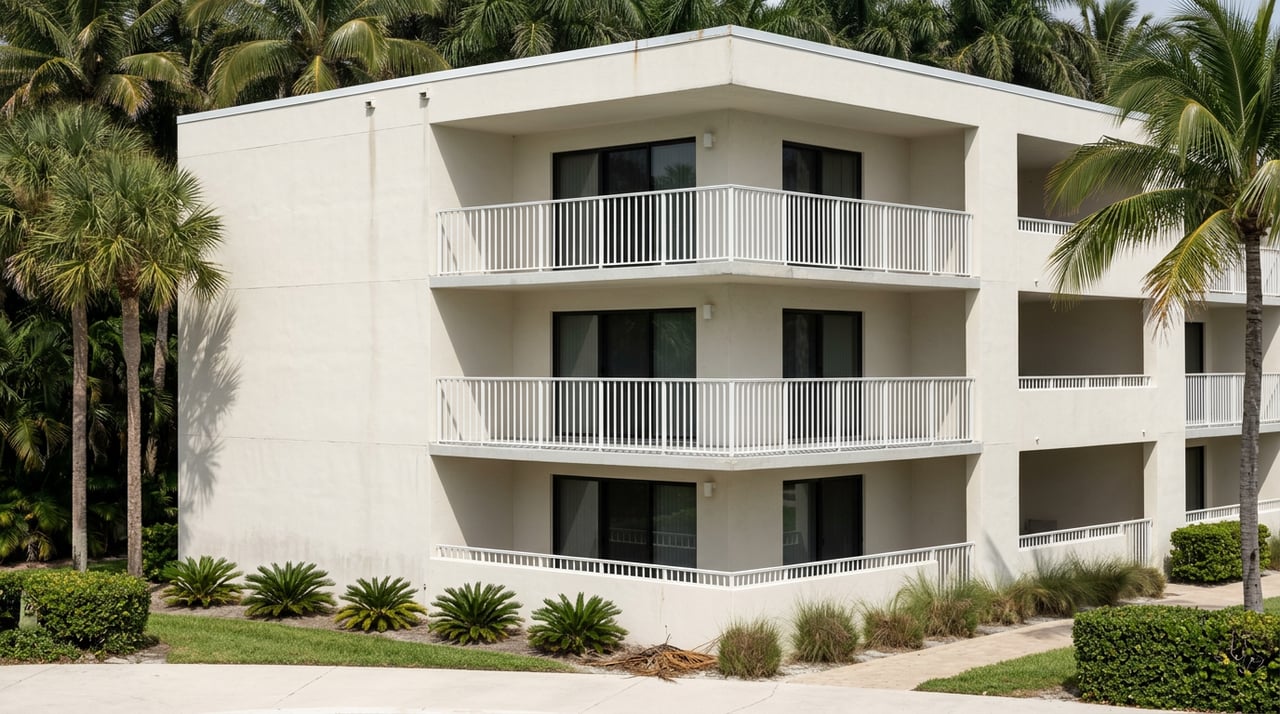
- High‑rise beachfront towers: strong nightly demand and resort amenities, but typically higher dues and larger hurricane deductibles. Buildings 3 or more stories are subject to state milestone inspections and reserve rules.
- Mid‑rise and low‑rise condos: often lower dues and a mix of rental strategies. Rules can favor longer stays, which may suit second‑home use or seasonal renters.
Short‑term rental rules
Always confirm two things before you buy: who regulates your rental and what your association allows. Jurisdiction boundaries can shift within PCB, so verify whether an address is inside city limits or in unincorporated Bay County.
Inside Panama City Beach city
Within city limits, you must register, hold a valid Vacation Rental Certificate, and pass fire and life safety inspections before renting. Requirements and fees are published by the city, and enforcement is active. Review the city’s short‑term rental registration and inspection details and confirm where the property sits.
In unincorporated Bay County
Bay County requires registration and inspections for vacation rentals in unincorporated areas within the special taxing jurisdiction. Some high‑rise condominium buildings may be treated differently under the ordinance, so confirm whether your building is exempt. Start with the county’s vacation rental inspection program.
Tourist Development Tax
Owners must collect and remit Bay County’s Tourist Development Tax, which is 5 percent in the taxing district that includes Panama City Beach. Monthly filing is required, and platform remittance may not be automatic. Learn the basics from the Clerk’s office on Tourist Development Tax reporting.
HOA documents to review
Association health drives both livability and returns. Ask for these items early and read them closely.
Leasing and house rules
Get the recorded Declaration/CCRs, Bylaws, and Rules and Regulations. Look for minimum lease terms, owner‑occupancy requirements, guest and occupancy limits, and parking rules. Florida’s condo reforms increased transparency, so ask for the official records required to be shared with buyers.
Budgets, reserves, and SIRS
Request the current operating budget, the most recent reserve study, and any Structural Integrity Reserve Study if the building is subject to it. Florida’s building safety law, known as SB 4‑D, and the state’s DBPR implementation timeline outline key inspection and reserve milestones for buildings 3 or more stories. These reports can signal future assessments.
Insurance and deductibles
Obtain the association’s master insurance policy declarations page and the hurricane or windstorm deductible terms. State law requires “adequate” property coverage and a replacement cost appraisal every 36 months. You can read the statute governing association insurance and records at Florida Statutes, Chapter 718.111.
Minutes and estoppels
Review 12 to 24 months of board minutes. Look for discussion of special assessments, major projects, litigation, or insurance nonrenewals. Ask for an estoppel letter and a unit ledger to confirm any outstanding assessments or transfer fees.
Safety, reserves, and assessments
After the Surfside tragedy, Florida required milestone structural inspections and new reserve planning for applicable buildings. The law and follow‑on guidance set deadlines for these reports and owner disclosures. If a milestone inspection or SIRS identifies deferred work, associations may increase reserves, levy a special assessment, or borrow. Any of those can affect cash flow and resale value. Make these reports part of your offer strategy and ask for the association’s funding plan and timeline.
Insurance you will need
Condo coverage in PCB has a few moving parts.
- Master policy: Your HOA’s master policy might be bare walls, single‑entity, or more inclusive. The form determines what you must cover on your HO‑6 policy. Ask the association for the declarations page and confirm how loss assessment is handled.
- HO‑6 policy: Work with a local agent to set building improvements coverage, personal property, liability, and loss assessment limits that reflect your building’s hurricane deductible and recent claims. Review the association’s deductible so your limits are realistic.
- Flood insurance: Flood is separate from hazard or wind. Many beachfront and marina properties are in FEMA Special Flood Hazard Areas. Check the address on the FEMA Flood Map Service Center and ask whether an elevation certificate exists. If the unit is in a mapped SFHA and you are financing with a federally regulated lender, flood coverage is typically required.
Financing a PCB condo
Project eligibility can make or break your loan, so check it before you write an offer.
- FHA: FHA loans require either an FHA‑approved condo project or Single‑Unit Approval if the project and unit meet specific standards. Review HUD’s current rules for FHA condominium approvals and Single‑Unit Approval.
- Conventional: Fannie Mae and Freddie Mac apply project review standards, including owner‑occupancy ratios, reserve requirements, and delinquency caps. Lender overlays can vary by building. See Fannie’s guidance on the full review process and ask your lender about this project early.
- Down payments and reserves: Second‑home loans often require larger down payments than primary residences, and investor loans typically require even more, plus reserves. Requirements vary by lender and by building, so get quotes and a project review up front.
Build your rental pro forma
If income matters, build a conservative pro forma before you offer.
- Revenue: Ask the seller or manager for trailing‑12 months of revenue, occupancy, and average daily rate. Confirm management fees and any platform or credit card fees. Consider purchasing third‑party STR data for the building if it is central to your decision.
- Expenses: Model HOA dues, utilities not covered by dues, cleaning and linens, guest supplies, bed tax, insurance premiums, and a maintenance reserve.
- Seasonality: Assume higher ADR and occupancy in summer, and lower ADR with longer stays in off‑season. Base your projections on realistic shoulder‑season rates.
Step‑by‑step buying roadmap
- Define your use plan. Second home, investment, or a mix. Your plan drives financing and lease‑term needs.
- Select sub‑areas and building types. Balance amenity preferences with dues, hurricane exposure, and rental profile.
- Get pre‑approved and ask for a condo project review. Confirm FHA or conventional eligibility early.
- Verify rental legality. Confirm city vs county jurisdiction and association lease rules before you offer.
- Collect HOA documents. Budget, reserves, SIRS or milestone reports, insurance certificates, minutes, and estoppel.
- Run a full pro forma. Use real trailing‑12 data and realistic seasonality.
- Order inspections and insurance quotes. Include flood, HO‑6, and any lender‑required coverages.
- Negotiate with eyes open. Price your offer with any upcoming assessments or insurance changes in mind.
Due diligence checklist
Use this quick list to keep your review on track:
- Declaration/CCRs, Bylaws, Rules and Regulations. Confirm explicit rental rules and minimum lease terms.
- Current budget, most recent reserve study, and any SIRS. Cross‑check with SB 4‑D requirements and the DBPR timeline.
- Master insurance declarations page and hurricane/wind deductibles. See association insurance requirements in Chapter 718.111.
- Milestone inspection report for buildings 3 or more stories. Ask for any Phase 2 reports and funding plans.
- Board minutes for the last 12 to 24 months. Watch for assessments, litigation, or insurance issues.
- Estoppel letter and a recent unit ledger.
- Written confirmation of rental registration obligations. City details are here: Panama City Beach STR inspections. County details are here: Bay County STR inspections.
- Bed tax registration and filing process. Review Bay County Tourist Development Tax guidance.
- FHA or conventional project eligibility. Verify through your lender and reference HUD’s condo page and Fannie Mae’s project review guide.
- Flood zone status and elevation certificate. Check the address on the FEMA Flood Map.
Common pitfalls to avoid
- Assuming every condo allows nightly rentals. Association rules vary by building and can change with a board vote.
- Skipping jurisdiction checks. City and county rules differ, and enforcement includes inspections and certificates.
- Underestimating insurance deductibles. Large windstorm deductibles can result in loss assessments to owners.
- Ignoring SIRS and milestone findings. Structural work and reserve changes can lead to assessments that affect returns.
- Relying on peak‑season pricing year‑round. Build a conservative pro forma that reflects off‑season reality.
Ready to start?
You deserve clear answers and a plan that fits your goals. Our team knows PCB buildings, board dynamics, rental rules, and lender expectations. If you are weighing a second home or an income‑focused condo, we will guide you through documents, project eligibility, insurance, and pricing so you can buy with confidence. Connect with Think Real Estate to get started.
FAQs
What short‑term rental permits do I need in Panama City Beach?
- Inside city limits you need a Vacation Rental Certificate and fire/life safety inspection through the city. In unincorporated Bay County you register and follow the county inspection program. Always confirm which jurisdiction your address falls in and what your condo association allows.
How do Florida’s condo safety laws affect my purchase?
- Buildings 3 or more stories must complete milestone structural inspections and follow reserve planning rules. Findings can lead to increased reserves or special assessments, so request SIRS and milestone reports and ask about the association’s funding plan and timeline.
What should I check in the HOA’s insurance?
- Confirm the master policy type and the hurricane or windstorm deductible. Ask how deductibles are handled if there is a claim. Share this with your insurance agent to set appropriate HO‑6 and loss assessment limits.
Do I need flood insurance for a PCB condo near the beach?
- If the property is in a FEMA Special Flood Hazard Area and you have a federally regulated mortgage, flood insurance is typically required. Check the address on FEMA’s map and ask whether an elevation certificate exists.
Can I use FHA financing to buy a condo in PCB?
- Yes, if the building is FHA‑approved or the unit qualifies for Single‑Unit Approval under HUD rules. Your lender will verify project eligibility and documentation before you make an offer.
Why do some condos have higher HOA dues?
- Dues reflect building size, amenities, insurance costs, and reserve funding. High‑rise beachfront towers often have larger budgets because of elevators, pools, security, and higher windstorm exposure.
How should I estimate rental income for a PCB condo?
- Start with the seller’s trailing‑12 revenue and occupancy, then model peak summer ADR and a realistic off‑season. Include management fees, cleaning, bed tax, HOA dues, insurance, and a maintenance reserve. Consider third‑party STR data if income is central to your decision.