If you only know Panama City Beach as a vacation spot, you might miss what daily life here really looks like. Yes, tourism shapes the city in a big way, but full-time residents also build routines around work, errands, outdoor time, and community events all year long. If you are thinking about living in Panama City Beach beyond vacation season, this guide will help you understand what changes with the seasons, what stays consistent, and how to find the right fit for your lifestyle. Let’s dive in.
Panama City Beach Is More Than a Tourist Town
Panama City Beach has a strong visitor economy, and the city’s planning documents make that clear. The city estimated 19,549 permanent residents in April 2024, while it also welcomed about 4.5 million visitors in 2023. In July alone, about 15.1% of annual visitor activity takes place, and the city says more than 100,000 tourists can be present on some summer days.
That contrast matters when you are deciding whether to live here full time. A place that feels calm in winter can feel very different in peak season, especially near major beach corridors, entertainment areas, and high-traffic access points. Understanding that rhythm can help you choose a home and location that match how you want to live every day.
Housing Looks Different Than Inland Markets
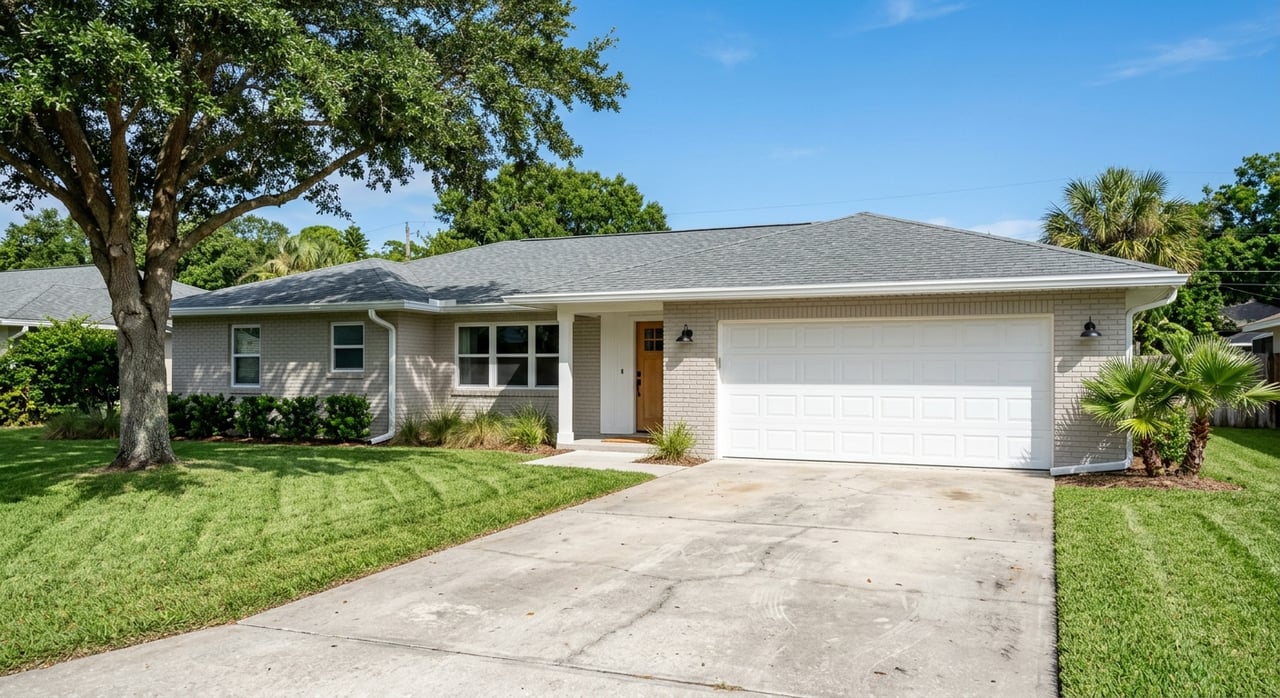
Panama City Beach has a housing mix shaped by its coastal setting and seasonal use. The city’s housing element estimated 11,759 condominiums, 5,441 single-family homes, and 7,027 seasonal or occasional-use units. That gives you a good picture of why full-time buyers often compare condo living and detached homes very carefully here.
If you are considering a condo, your day-to-day experience may depend on factors that matter less in a typical suburban market. Things like HOA rules, parking, elevator access, and seasonal turnover can have a bigger impact on comfort and convenience. If you prefer more separation from vacation traffic, a single-family home in the right area may offer a different pace.
Getting Around Changes With the Season
One of the biggest adjustments for full-time living in Panama City Beach is learning how traffic patterns shift. The city identifies U.S. 98 and Panama City Beach Parkway as Back Beach Road, FL-392A as Middle Beach Road, and FL-30 as Front Beach Road. Front Beach Road follows the coastline and is lined with shops, restaurants, and beachfront access points, which helps explain why it often feels busier during visitor-heavy periods.
For everyday life, many residents pay close attention to how close they are to the roads they use most often. A home that looks close to the beach on a map may have a very different feel depending on whether you rely on Front Beach Road, Middle Beach Road, or Back Beach Road for your regular routine. That is especially important if you commute, run frequent errands, or want easier access in and out during peak travel windows.
The city is also continuing to reshape mobility along Front Beach Road through the Community Redevelopment Agency area. The redevelopment plan covers about 19.8 miles of roadway and includes wider streets, lighting, medians, sidewalks, drainage, and underground utilities. A later update says the corridor is being built out as a more efficient multi-modal system with transit and bike lanes, and Segment 3 was completed in early 2026.
Public transportation is part of the picture too. Bay County Transit’s Bayway system serves Panama City Beach, Panama City, Lynn Haven, and other county communities. For some residents, that broader connection adds flexibility for work, appointments, and day-to-day travel.
Beach Access Still Matters Year Round
Living in Panama City Beach full time is not just about seeing the water on vacation weekends. Access is part of regular life here, whether that means morning walks, quick sunset trips, or time outside between work and weekend plans. Bay County beaches are public, and Bay County maintains 96 access points from the east end of Thomas Drive to the west end of Front Beach Road.
That broad public access helps support the idea that you do not have to live directly on the sand to enjoy the beach as part of your routine. In practical terms, where you live may come down to how often you want to be near the water versus how much tourist traffic, condo density, or road activity you want around you.
The Off-Season Lifestyle Is Active
One of the biggest surprises for many buyers is that Panama City Beach can work well as a full-time outdoor lifestyle market, not just a summer destination. The area is known for its 27-mile coastline, but it also includes year-round outdoor spaces that support everyday recreation.
St. Andrews State Park is described as a year-round attraction with swimming, fishing, camping, snorkeling, hiking, bird watching, and picnicking. Camp Helen State Park offers swimming, beachcombing, nature study, hiking, and freshwater and saltwater fishing. Conservation Park adds another layer with 2,900 acres and 24 miles of trails.
That matters because full-time living works best when your options go beyond the beach chair version of coastal life. If you like to stay active, you have places to walk, bike, fish, paddle, and explore even when the tourism calendar slows down. For many residents, that variety is what makes the area feel livable in every season.
Water and Parks Support Daily Routines
The local climate also supports long stretches of water use through the year. NOAA’s coastal water temperature guide lists Panama City Beach water temperatures averaging about 77.1°F in May, 82.0°F in June, 84.1°F in July, 85.6°F in August, and 63.2°F in December. That does not mean every month feels the same, but it does show why the water stays part of local life for much of the year.
If your routine includes fitness or recreation, local parks add more options. Frank Brown Park spans more than 200 acres and includes tournament fields, trails, and the Panama City Beach Aquatic Center, whose 50-meter pool is open year round. Aaron Bessant Park includes 70 acres of lawns, an amphitheater, and trails, and the city’s 2026 summer concert series runs on Thursday evenings there.
Dining and Events Continue Beyond Summer
A common misconception is that Panama City Beach quiets down completely once vacation season ends. In reality, the calendar changes, but local dining and events continue throughout the year. The official tourism site describes a dynamic local dining scene that includes Pier Park restaurants, waterfront seafood spots, and food-and-drink festivals across the calendar.
Recurring events include the PCB Food Truck & Craft Beer Festival, UNwineD, Oktoberfest, the Bloody Mary & Music Festival, the Summer Concert Series, and the New Year’s Eve Beach Ball Drop. That mix gives full-time residents more than one kind of social rhythm. Summer may bring larger crowds, while other seasons can feel more local and easier to enjoy at a slower pace.
Panama City Beach also has a dedicated winter-resident program, which says a lot about year-round livability. Visit PCB says winter visitors settle in for social events, classes, arts and crafts, and parties, with a calendar that includes appreciation days, a Homecoming Dance and Social, Senior Prom, and a Grand Finale. Even if you are not a seasonal resident, that program reflects a city that continues to organize activity outside peak tourism months.
Different Areas Offer Different Lifestyles
One of the most important things to know is that full-time living in Panama City Beach is not one-size-fits-all. Visit PCB’s region guide describes different parts of the beach as having distinct character, and that is useful when you start narrowing down where you want to live.
The West End is described as a quieter stretch with fewer high-rise buildings and access to places like Camp Helen State Park and Conservation Park. Pier Park functions as an entertainment and shopping core with the Russell-Fields Pier, nearby shops, eateries, and venues. Open Sands is described as a mix of residential neighborhoods, beachfront resorts, restaurants, and amusements.
Middle Beach is framed as the original Long Beach, with white sand, shopping centers, amusements, and restaurants. Grand Lagoon on the east end is described as a hub for fishing, boating, sightseeing tours, paddle boarding, and other water sports, with many locally owned businesses. Each area offers a different balance of access, activity, and density.
For a full-time buyer, the key question is not just, “Do I want to live in Panama City Beach?” It is, “What kind of daily experience do I want once the vacation photos are over?” Your answer may depend on how close you want to be to the beach, how much traffic you can tolerate, and whether you prefer condo convenience or a more traditional neighborhood setting.
Everyday Living Includes Local Services
If you are relocating with school-age children or simply planning your day-to-day life, it helps to understand what is physically located in and around Panama City Beach. Current Bay District Schools pages show Hutchison Beach Elementary on Hutchison Boulevard, Surfside Middle on Nautilus Street, Arnold High School on Alf Coleman Road, and Breakfast Point Academy as a K–8 school in the heart of Panama City Beach.
School choice is a personal decision, but the practical point is that local options exist within the community. For many buyers, mapping out home location against roads, parks, beach access, and daily destinations is one of the most useful steps in the search process.
What Full-Time Buyers Should Consider
Before you buy, it helps to think beyond the view and focus on how the home will function in every season. In Panama City Beach, your lifestyle may be shaped as much by road access, building type, and seasonal activity as by your distance to the water.
Here are a few smart questions to ask as you compare homes:
- How will traffic patterns affect your work, errands, and weekend plans?
- Do you want a condo lifestyle, or would a single-family home fit you better?
- If considering a condo, how do parking, elevator access, and HOA rules affect daily life?
- Do you want to be near restaurants and entertainment, or farther from tourist-heavy areas?
- How important are trails, parks, boating access, or quick beach access to your routine?
Those answers can help you narrow your search faster and avoid choosing a home based only on vacation-season appeal.
Full-time living in Panama City Beach can be a great fit if you understand the local rhythm and choose the right area for your needs. The city offers public beach access, year-round outdoor amenities, ongoing events, and distinct pockets of lifestyle across the beach. If you want help weighing condo versus single-family options, comparing locations, or understanding how different parts of Panama City Beach feel beyond peak season, connect with Think Real Estate for local guidance tailored to how you want to live.
FAQs
What is full-time living in Panama City Beach like outside tourist season?
- Full-time living in Panama City Beach is shaped by a quieter seasonal pace, with continued access to parks, trails, dining, events, and public beaches even outside peak visitor months.
What should buyers know about Panama City Beach traffic?
- Buyers should know that traffic patterns can change significantly by season, especially near Front Beach Road, so road access and daily routes matter when choosing where to live.
What types of homes are common in Panama City Beach?
- Panama City Beach has a condo-heavy housing mix, along with single-family homes and a large number of seasonal or occasional-use properties.
What areas of Panama City Beach feel different for full-time residents?
- Areas such as the West End, Pier Park, Open Sands, Middle Beach, and Grand Lagoon offer different balances of activity, density, outdoor access, and convenience.
What year-round activities are available in Panama City Beach?
- Year-round activities in Panama City Beach include beach access, hiking, biking, fishing, boating, swimming, trail use, park events, and community festivals across multiple seasons.
What should full-time condo buyers consider in Panama City Beach?
- Full-time condo buyers should pay close attention to HOA rules, parking, elevator access, and the impact of seasonal turnover on everyday living.