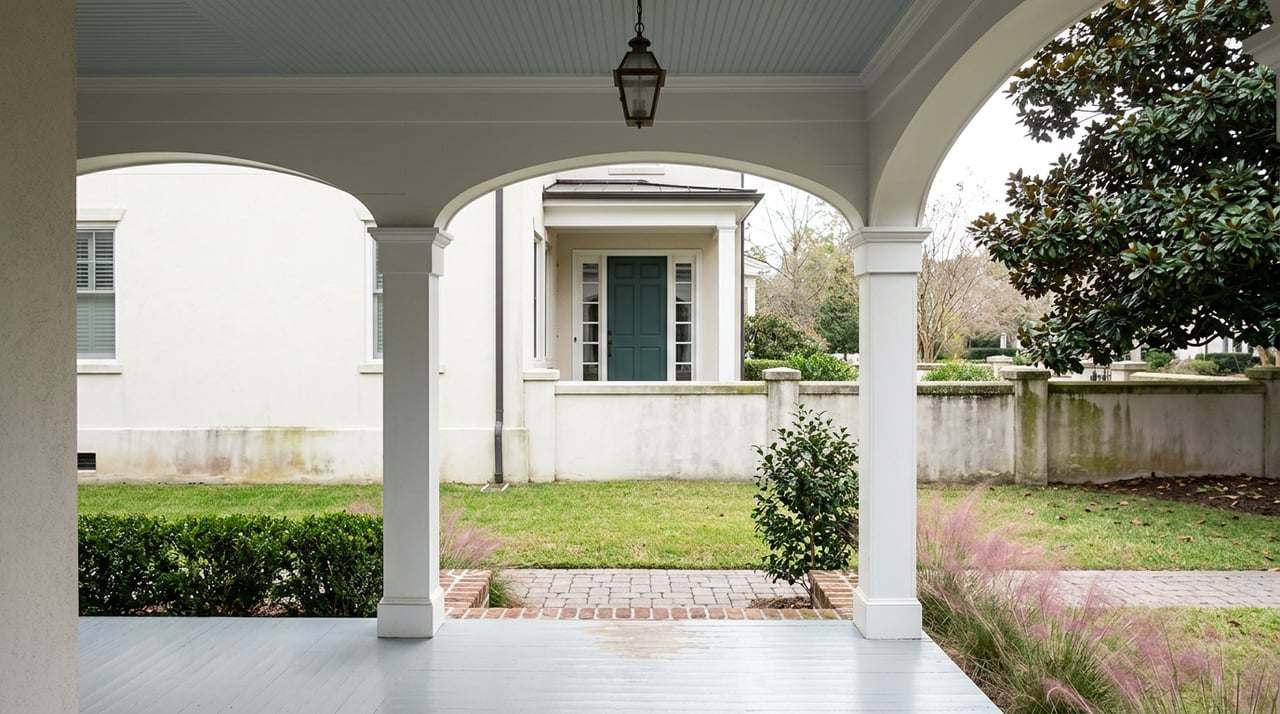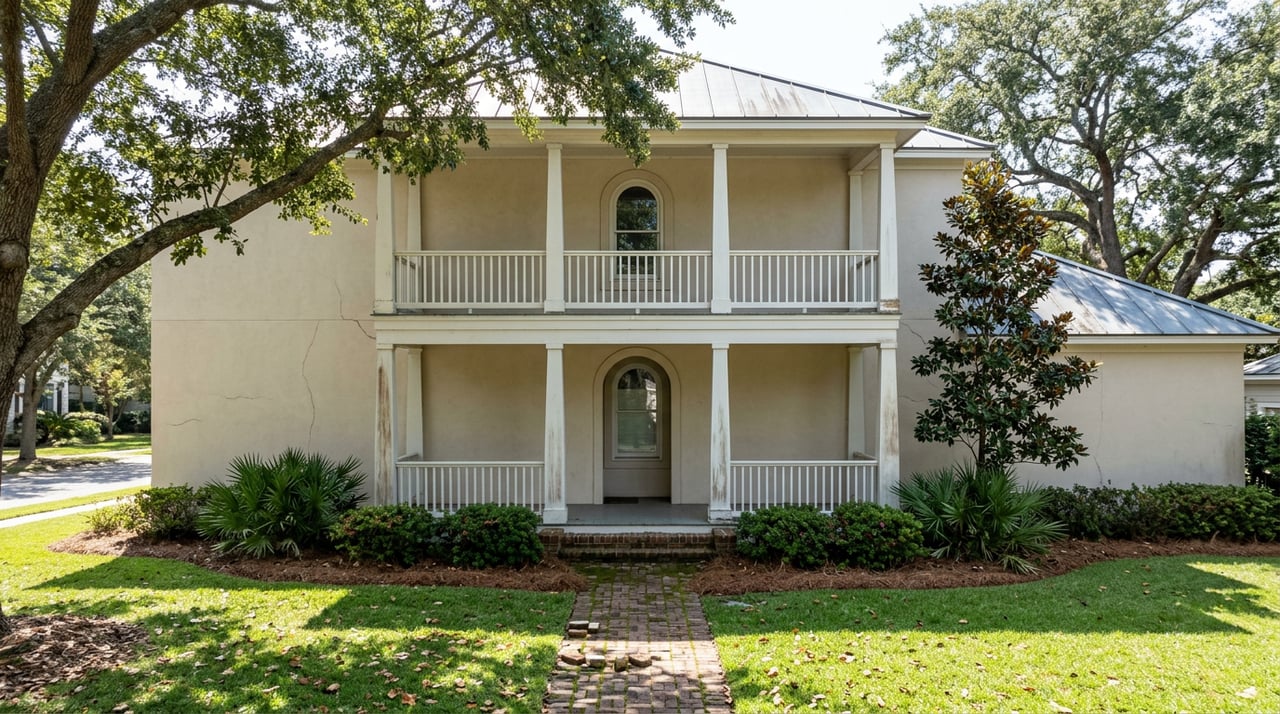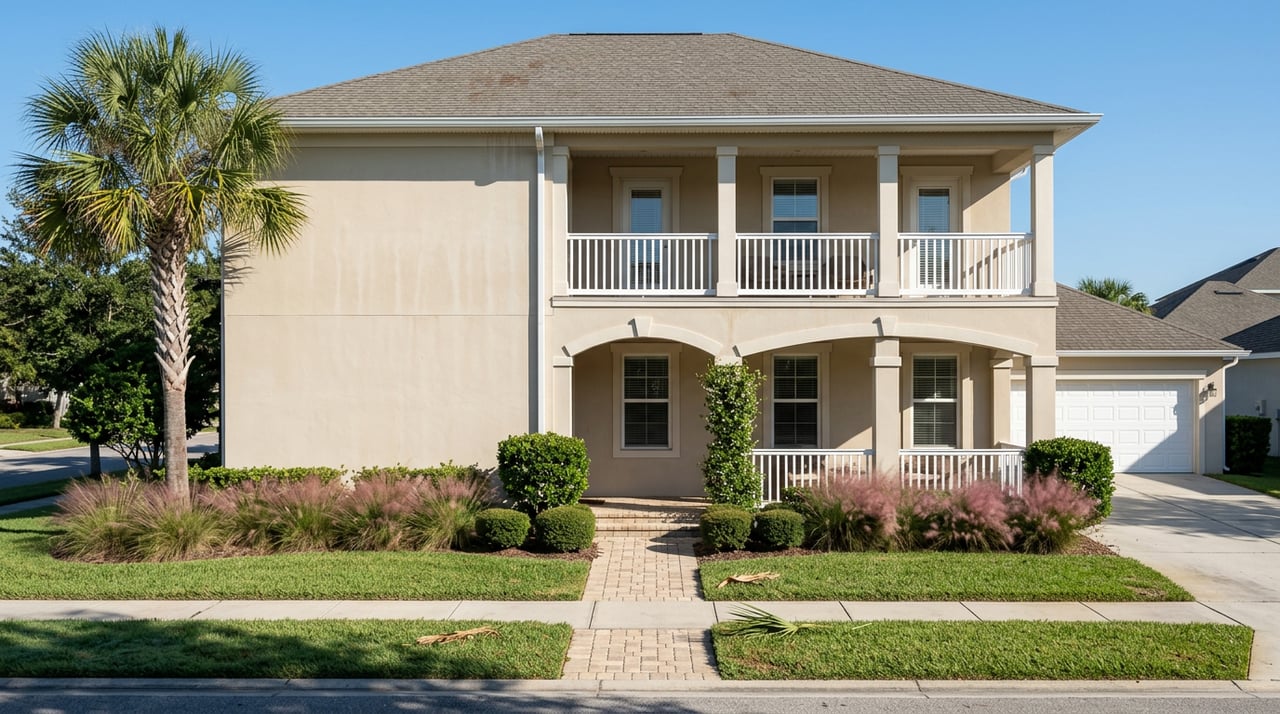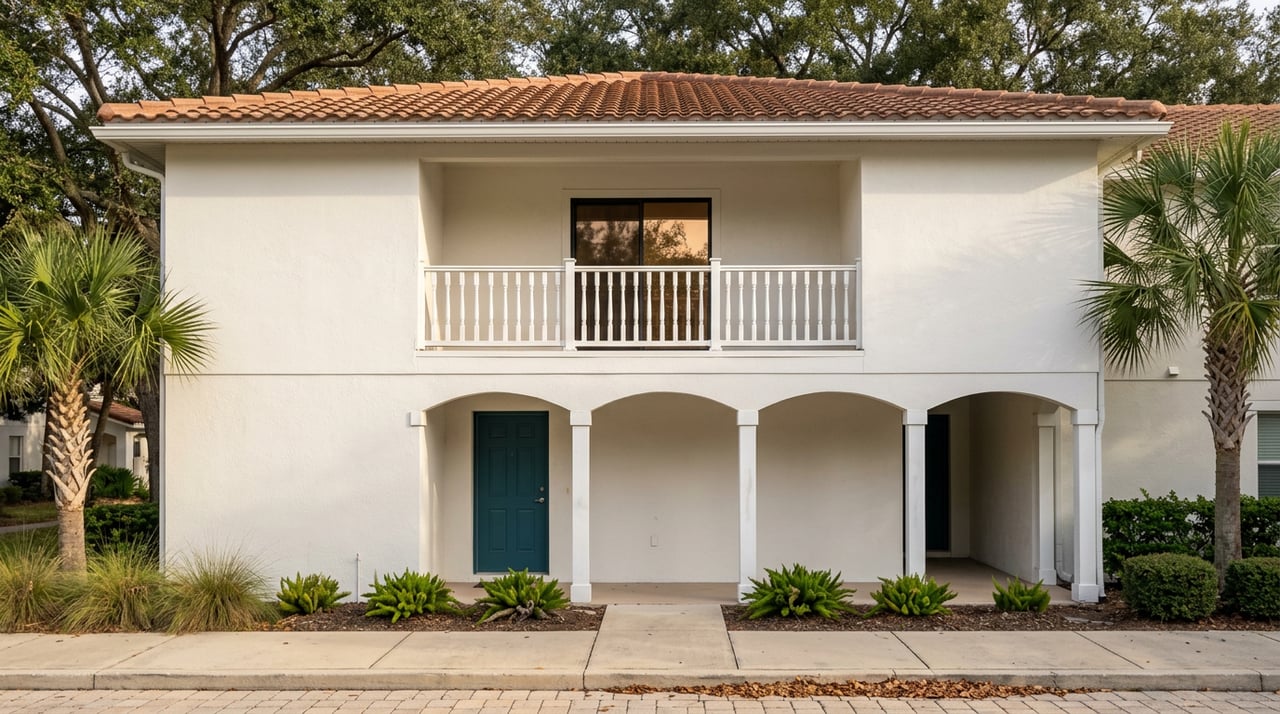
Two sellers list in Bay Point the same week. One owns a two-story unit at Bayview Villas, built in 1980 on the bay. The other owns a unit in a taller resort-style condo building a few hundred yards away, built around the same era. Both listings market the same gated community, the same marina access, the same two championship golf courses. But when the buyers' agents start requesting documents, the two sellers get completely different lists. One seller hands over a purchase agreement and a standard condo questionnaire. The other gets asked for a milestone inspection report and a Structural Integrity Reserve Study, or has to explain why one doesn't exist yet.
The difference has nothing to do with the community's age, the HOA's reputation, or how well either building has been maintained. It comes down to a single number written into Florida law: habitable story count. If you're preparing to sell inside Bay Point, that number, not the year your building went up, decides what lands on your closing table.
The Law Doesn't Track Bay Point's Age. It Tracks Height.
Florida's milestone inspection law, Florida Statute 553.899, and the companion Structural Integrity Reserve Study requirement under Florida Statute 718.112(2)(g), only apply to condominium and cooperative buildings with three or more habitable stories. Habitable means floors built and used for living space, not parking decks or mechanical levels. A building with two residential floors stacked over a garage level doesn't clear the threshold at all, no matter how old it is.
For buildings that do qualify, the first milestone inspection comes due the year the building turns 30, or 25 if the local building official decides coastal exposure warrants an earlier look. The SIRS runs on a similar clock, and that deadline has already passed for most Florida associations: the initial study was due by December 31, 2025, with a narrow exception for buildings whose milestone inspection was already scheduled by December 31, 2026, which lets those two studies combine into one engineering visit. As of today, a qualifying Bay Point building should already have a completed SIRS on file, not a pending one. Florida's House Bill 913, signed by Governor DeSantis on June 23, 2025 and effective July 1, 2025, also raised the SIRS reporting threshold for individual reserve items from $10,000 to $25,000, and it locked in a funding rule that matters to any seller: associations with a budget adopted on or after January 1, 2025 can no longer vote to waive or underfund the reserves a SIRS identifies.
None of that touches Bayview Villas. Built in 1980 as four two-story buildings along the bay, it sits below the three-story threshold by design, so it stays outside the milestone and SIRS framework regardless of how many more decades pass. Bay Point's condo inventory more broadly runs the same way, from low two-story villa clusters to taller buildings with elevators and enclosed corridors. Two units built the same year, a few hundred feet apart, can carry entirely different disclosure obligations because one building has a floor the other doesn't.
Here's how that plays out across the kinds of listings you'll find inside the gates:
| Building profile | Story count | Milestone inspection required | SIRS required |
|---|---|---|---|
| Two-story villa or townhome cluster (built any year) | Under 3 habitable stories | No | No |
| Golf villa with residential floors over a parking level only | Under 3 habitable stories | No | No |
| Mid-rise or resort-style condo tower | 3+ habitable stories | Yes, once the building reaches 30 (or 25 near the coast) | Yes, on a 10-year cycle |
| Waterfront or canal-front single-family home | N/A, not a condo structure | No | No |
Single-family and waterfront homes never enter this conversation at all. Milestone inspections and SIRS are creatures of the condominium statute. If your Bay Point listing is a house with a private dock rather than a unit inside an association building, this entire compliance question doesn't apply to your sale, whatever the age of the structure.
The Second Signature Sellers Forget
Bay Point isn't governed by one homeowners association. The Bay Point Community Association describes over 20 separate sub-associations operating under one master association, covering more than 1,500 member homes across the community. That structure means a seller's closing paperwork often has to satisfy two layers at once: the sub-association tied to your specific building or street, and the Bay Point Master Association above it.
Florida law sets firm timing rules for the estoppel certificates both of those associations will need to issue. Under Florida Statute 720.30851, a certificate delivered by hand or electronically is valid for 30 days, one sent by regular mail for 35 days, and if the association discovers an error or new information during that window, it must issue an amended certificate at no additional charge. That timing rule is straightforward for a seller with one HOA. In Bay Point, it means coordinating two separate requests, two separate effective-period clocks, and two documents that both need to land inside the same closing window without expiring.
If Your Listing Includes a Deeded Slip or a Golf Membership
Waterfront listings in Bay Point add a third layer worth clearing before you list rather than during your inspection period. Point South Marina, the community's on-site marina rebuilt after Hurricane Michael and reopened in 2022, doesn't have a single agreed-upon slip count in every published source. Confirm directly with the marina whether your listing's slip is deeded, rentable, or subject to a waitlist, and get that answer in writing before a buyer's financing timeline forces the question.
Golf access works the same way. Bay Point Golf Club membership comes in different categories with different costs and resident tee-time terms, and those terms aren't automatically transferable the way a deed is. If your listing's value story includes "walk to the Nicklaus Course" or "golf cart to the clubhouse," verify the current membership rules before a buyer assumes access that doesn't come with the property.
What to Pull Together Before You List
If you're in a two-story villa or townhome cluster (Bayview Villas, most golf villa buildings, similar low-rise product): confirm in writing, ideally from your sub-association, that your building falls under three habitable stories, so a buyer's agent doesn't request milestone or SIRS documents that don't exist because they were never required.
If you're in a taller, resort-style condo building: ask your association for the completed SIRS and milestone inspection report now. The statewide SIRS deadline passed on December 31, 2025, so a qualifying building without one on file is behind schedule, which is exactly the kind of finding a buyer's agent will flag. If your association's budget was adopted before January 1, 2025 and previously voted to underfund SIRS reserves, be ready to explain the funding trajectory rather than let a buyer discover it mid-contract.
If your building qualifies for either association layer: request estoppel certificates from both your sub-association and the Bay Point Master Association early, and time the request so both certificates stay valid through your anticipated closing date.
If your listing includes a marina slip or golf privileges: get slip transferability and membership category confirmed in writing from Point South Marina and Bay Point Golf Club before you accept an offer that assumes either one.
A Few Questions Sellers Actually Ask
Does my single-family Bay Point home need a milestone inspection? No. Milestone inspections and SIRS apply only to condominium and cooperative buildings under Florida Statute 553.899 and 718.112. A single-family or canal-front home in Bay Point isn't a condominium structure, so neither requirement applies regardless of the home's age.
How do I find out if my building counts as three habitable stories? Your association's declaration or site plan will state the building's configuration. If you're not sure, ask your sub-association's property manager directly. A floor used only for parking or mechanical equipment doesn't count toward the threshold.
Do I really need estoppel certificates from two separate associations? Often, yes. Because Bay Point operates through a master association layered over more than 20 sub-associations, many sales require certificates from both. Confirm with your closing attorney or title company which layers apply to your specific building.
This is general information based on Florida statute language and public association materials current as of 2026, not legal or financial advice. Confirm your building's exact compliance status and your closing document requirements with your association and a licensed real estate attorney before you list.
Selling inside a community built from 20-plus sub-associations, mixed building heights, and amenities layered on top of each other takes more than a general HOA checklist. If you're preparing to list in Bay Point, Think Real Estate can walk your specific building's requirements with you before a buyer's inspection period does it for you. Contact a local expert to start your Bay Point listing plan.